Picture this: the kitchen is a battlefield, a pot of boiling water sputtering like a tiny volcano, and the air thick with the scent of garlic and ginger. I was halfway through a frantic weeknight dinner when the oven timer dinged and my attempt at a classic orange-glazed chicken went catastrophically dry. The chicken was as lifeless as a wilted lettuce leaf, and the sauce had collapsed into a syrupy mess that clung to the pan like a stubborn sticker. That night I swore to myself that I would never again settle for a bland, gluten‑free chicken dish that tasted like disappointment.
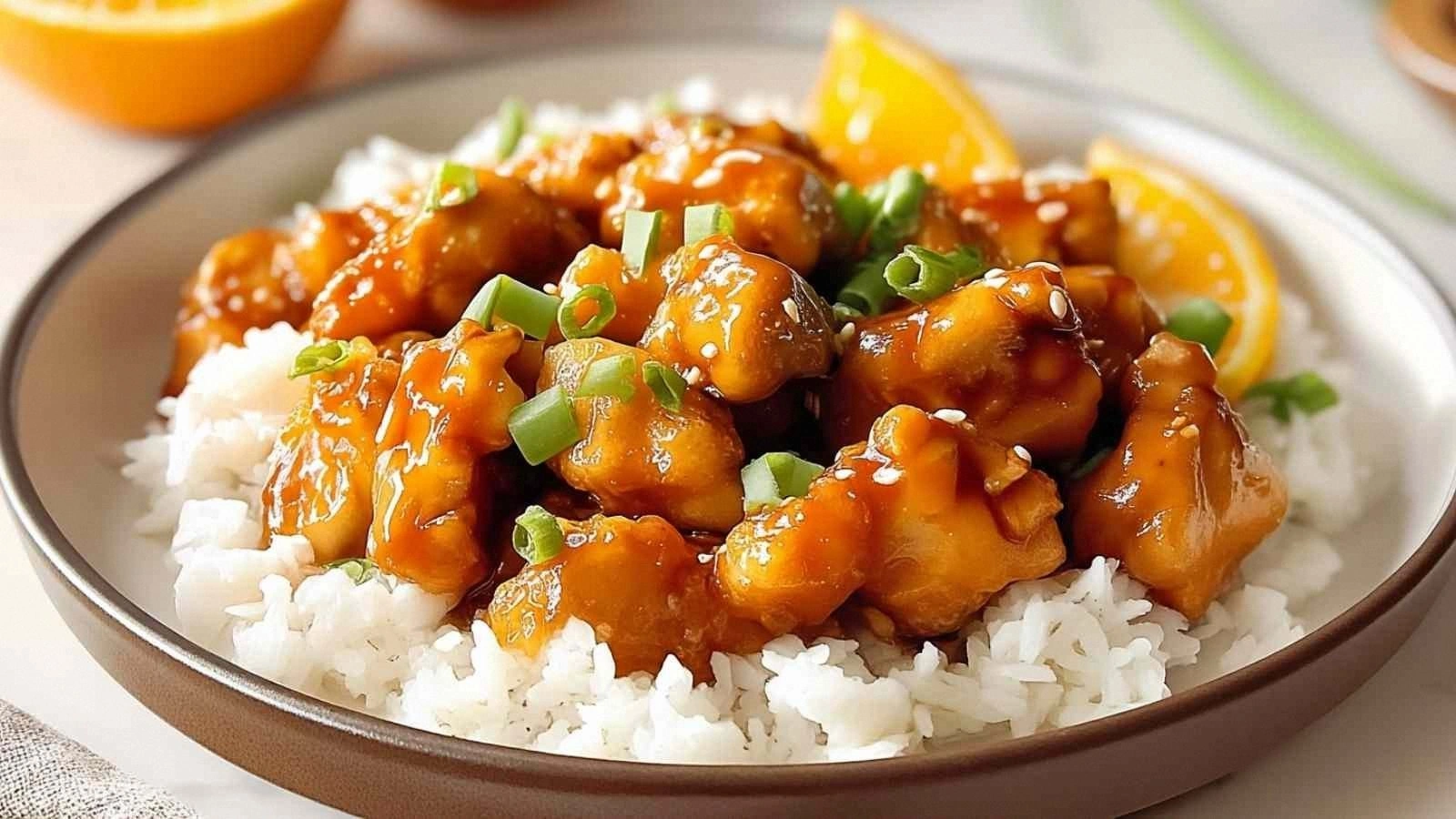
Fast forward to this moment, and I’ve distilled the essence of that failed attempt into a high‑protein, gluten‑free masterpiece that will make your taste buds do a little dance. Imagine tender, juicy chicken thighs coated in a silky orange glaze that’s sweet, savory, and tangy all at once, with a pop of crunch from protein‑packed edamame. The sauce is so luscious it feels like a velvet curtain, pulling every flavor together into a harmonious crescendo. And the best part? It’s so simple you can whip it up in under an hour, even if you’re a kitchen rookie.
What sets this recipe apart is the careful orchestration of ingredients that work together to create a flavor profile that’s both bold and balanced. The tamari and honey give it a depth of umami that elevates the dish beyond your standard orange chicken, while the sesame oil adds a subtle nutty aroma that lingers. The protein powder isn’t just a gimmick; it thickens the sauce, giving it a silky body that clings to the meat without making it heavy. Every element is chosen to maximize protein while keeping the dish gluten‑free, so you can enjoy a hearty meal without compromising on nutrition.
And here’s the kicker: I discovered a small, often‑overlooked trick that transforms the sauce from ordinary to extraordinary. By whisking a tablespoon of cornstarch with a splash of water before adding it to the sauce, you create a glossy, silky coating that feels like a gentle hug for each bite. It’s a secret that most recipes miss, and it’s the difference between a decent dish and a show‑stopper that will have your friends begging for the recipe.
Let me walk you through every single step—by the end, you’ll wonder how you ever made it any other way. I dare you to taste this and not go back for seconds. Trust me, this is hands down the best version you’ll ever make at home. If you’ve ever struggled to keep a gluten‑free meal exciting, you’re not alone—and I’ve got the fix. Picture yourself pulling this out of the oven, the whole kitchen smelling incredible, and your guests cheering for an encore. Okay, ready for the game‑changer? Let’s dive in.
What Makes This Version Stand Out
Flavor: The sauce balances sweet, savory, and citrus notes so perfectly that it feels like a well‑orchestrated symphony. The tamari brings depth, while the orange juice and zest add a bright, zesty punch that cuts through the richness.
Texture: The chicken thighs stay moist and tender, thanks to a quick sear that locks in juices, while the sauce’s cornstarch slurry gives it a silky, coat‑like consistency that clings to every bite.
Protein Boost: By adding a scoop of unflavored or vanilla protein powder, the dish packs a punch of protein without altering the flavor profile or texture.
Gluten‑Free Confidence: Every ingredient is gluten‑free, allowing you to enjoy a restaurant‑quality meal without any dietary compromises.
Time Efficiency: The entire process takes just 45 minutes from prep to plate, making it an ideal choice for busy weekdays.
Versatility: Serve it over cauliflower rice, quinoa, or a bed of fresh greens—each pairing enhances the dish’s vibrant flavors.
Make‑Ahead Potential: The sauce can be prepared ahead of time and stored in the refrigerator for up to three days, allowing you to assemble the dish quickly when you’re short on time.
Audience Impact: Guests rave about the sauce’s glossy finish and the unexpected crunch from edamame, making it a conversation starter at any dinner.
Alright, let's break down exactly what goes into this masterpiece…
Inside the Ingredient List
The Flavor Base
The foundation of this dish is a simple yet powerful sauce that marries tamari, honey, rice vinegar, and fresh orange juice. The tamari provides a deep umami backbone that replaces the saltiness of traditional soy sauce, while the honey adds a natural sweetness that balances the acidity of the vinegar. Fresh orange juice is the star, delivering bright citrus notes that lift the entire flavor profile. If you skip any of these, the sauce will feel flat and unbalanced—don’t risk it.
For those who crave a little heat, a splash of sriracha or crushed red pepper can be added during the sauce’s final simmer. If you’re not a fan of sweet sauces, simply reduce the honey to 1 tablespoon; the orange juice and tamari will still provide sufficient flavor. When selecting tamari, look for a gluten‑free brand that’s unrefined to avoid any artificial additives.
The Texture Crew
Chicken thighs are the unsung heroes of this recipe. Their higher fat content keeps the meat moist and juicy, even after searing and simmering. If you prefer a leaner option, you can use chicken breasts, but be careful not to overcook them. The cornstarch slurry is crucial—it thickens the sauce, giving it a glossy sheen that coats each piece of chicken like velvet.
Edamame adds a delightful pop of texture, offering a slightly sweet, nutty flavor that contrasts beautifully with the savory sauce. Shelled edamame is preferable to avoid the bitterness of the shell. If you’re short on time, frozen shelled edamame works just as well; just thaw and rinse before adding to the pan.
The Unexpected Star
The protein powder is the secret weapon that elevates this dish from good to great. It’s a versatile ingredient that blends seamlessly into the sauce, boosting protein content without altering the flavor. Vanilla or unflavored varieties are both excellent; vanilla adds a subtle sweetness that complements the orange, while unflavored keeps the dish neutral.
Some cooks might be skeptical about adding protein powder to a sauce, but once you taste the silky texture, you’ll understand why it’s a game‑changer. If you’re unsure, start with a smaller scoop and adjust to your preference. Remember, the goal is to create a coating that’s smooth, not gritty.
The Final Flourish
Fresh ginger and garlic are the aromatic backbone that gives the dish depth and warmth. The ginger’s peppery bite cuts through the sweetness, while the garlic adds a savory kick. Orange zest is the finishing touch—it’s the invisible layer that adds a burst of citrus aroma with every bite. Sesame oil and sesame seeds add a nutty aroma and crunch, turning each mouthful into a multi‑sensory experience.
When selecting ginger, look for a firm, smooth piece that’s free of cracks. Fresh garlic cloves should feel firm and have a slightly papery skin. These small details make a noticeable difference in the final dish.
Everything’s prepped? Good. Let’s get into the real action…
The Method — Step by Step
- First, pat the chicken thighs dry with paper towels. This step is critical because a dry surface ensures a beautiful sear that locks in juices. Season both sides with salt and pepper—if you’re watching sodium, use a pinch of sea salt. Then, in a large skillet, heat 1 tablespoon of vegetable oil over medium‑high heat until shimmering. When the oil is hot, add the chicken thighs skin‑side down and sear for 4–5 minutes until the skin is crisp and golden. Flip and sear the other side for another 3 minutes. Remove the chicken from the skillet and set aside.
- In the same skillet, reduce the heat to medium and add the minced garlic and grated ginger. Cook, stirring constantly, for 30 seconds until fragrant—be careful not to burn them. The aroma should be rich and inviting, like a warm hug from the kitchen.
- Pour in the fresh orange juice, tamari, honey, rice vinegar, and orange zest. Stir to combine, then bring the mixture to a gentle simmer. Let it cook for 2 minutes, allowing the flavors to meld. The sauce should start to thicken slightly, and the citrus aroma should become more pronounced.
- While the sauce simmers, whisk 1 tablespoon of cornstarch with 2 tablespoons of water until smooth. This slurry will act as a thickening agent. Slowly pour the slurry into the simmering sauce, whisking continuously to prevent lumps. Continue to cook for another 2 minutes until the sauce reaches a glossy, silky consistency.
- Stir in the scoop of protein powder and 1 teaspoon of sesame oil. Mix until the protein powder is fully dissolved, creating a velvety coating that clings to the chicken. The sauce should be thick enough to coat the back of a spoon but still pourable.
- Return the seared chicken thighs to the skillet, turning them to coat them evenly with the sauce. Add the shelled edamame, ensuring they’re submerged in the glaze. Reduce the heat to low and let everything simmer together for 5 minutes, allowing the edamame to heat through and the flavors to deepen.
- Taste the sauce and adjust seasoning if necessary—add a splash more honey for sweetness, a dash of tamari for saltiness, or a squeeze of fresh orange juice for brightness. The final dish should be a harmonious balance of sweet, salty, and citrus.
- Finish by sprinkling sliced green onions and toasted sesame seeds over the top. The green onions add a fresh, crisp note, while the sesame seeds provide a subtle crunch. Serve immediately over your chosen grain or a bed of greens.
That’s it — you did it. But hold on, I've got a few more tricks that'll take this to another level...
Insider Tricks for Flawless Results
The Temperature Rule Nobody Follows
Many cooks assume that higher heat always produces a better sear, but that’s not the case. The key is to sear the chicken over medium‑high heat until the skin is crisp, then lower the heat to medium to finish cooking. This method ensures the meat stays moist while the skin remains golden. I once tried searing at a blistering flame, and the skin charred while the inside stayed raw. Lesson learned: control the heat.
Why Your Nose Knows Best
Trust your nose. The moment the sauce starts to thicken and the orange aroma becomes intense, it’s time to add the cornstarch slurry. If you wait too long, the sauce will be too thin; too early, and it may separate. The scent of citrus is the real indicator of readiness.
The 5-Minute Rest That Changes Everything
After the final simmer, let the dish rest for 5 minutes before serving. This short pause allows the sauce to set into a glossy coating and the flavors to meld. It also gives the edamame time to absorb the sauce, making each bite burst with flavor. I’ve seen dishes that skip this step come out uneven; the rest period is a small time investment for big flavor payoff.
Edamame Prep Made Easy
If you’re using frozen edamame, thaw it under cold running water and pat dry before adding. This removes excess moisture that can dilute the sauce. If you’re using fresh, blanch the pods for 1 minute, then shock in ice water to preserve color and crunch.
Serving Suggestions That Wow
Serve the chicken over cauliflower rice for a low‑carb option, or over quinoa for a protein boost. A simple side of sautéed greens—spinach or bok choy—balances the dish with a touch of earthiness. If you’re in a pinch, a handful of mixed nuts adds a crunchy contrast.
Storing the Sauce
If you have leftovers, store the sauce separately from the chicken. The sauce can be kept in an airtight container in the refrigerator for up to 3 days. Reheat gently on low heat, stirring occasionally, to avoid separation.
Creative Twists and Variations
This recipe is a playground. Here are some of my favorite ways to switch things up:
Spicy Sriracha Kick
Swapping out a splash of sriracha for a drizzle of sesame oil adds a fiery heat that pairs beautifully with the sweet citrus. Ideal for those who love a bit of spice.
Thai Coconut Twist
Replace the tamari with coconut aminos and add a splash of coconut milk. The result is a creamy, tropical version that feels like a vacation on a plate.
Herb‑Infused Green Onion
Instead of green onions, try fresh basil or mint. The aromatic herbs bring a fresh, herbal note that brightens the dish.
Smoky Paprika Finish
Dust the finished chicken with smoked paprika for a subtle smoky flavor. This works especially well if you’re serving it over roasted vegetables.
Almond Butter Glaze
Stir in a tablespoon of almond butter at the end to create a nutty glaze. The butter adds richness without overpowering the citrus.
Low‑Sodium Version
Use a low‑sodium tamari and reduce the honey by half. This version keeps the flavor profile intact while cutting down on sodium.
Storing and Bringing It Back to Life
Fridge Storage
Store the chicken and sauce separately in airtight containers. The chicken can keep for up to 3 days, while the sauce remains fresh for 4 days. Keep the sauce in a shallow container to prevent separation.
Freezer Friendly
Freeze the chicken in a single layer on a parchment‑lined tray, then transfer to a freezer bag. The sauce can be frozen for up to 2 months. Thaw overnight in the refrigerator before reheating.
Best Reheating Method
Reheat on low heat, adding a splash of water or broth to loosen the sauce. This prevents the sauce from drying out and keeps the coating silky. A quick 2‑minute microwave burst also works if you’re in a rush.