I was standing in the middle of my kitchen, staring at a pile of burnt noodles and a half‑cooked rotisserie chicken that had been left out for too long. My friend had dared me to make a pho soup that would blow his taste buds into orbit, and I had to prove that I wasn’t just a culinary pretender. The moment the fragrant steam curled up from the simmering pot, I knew this was the turning point of my cooking career. The aroma of star anise and ginger hit my nose like a warm hug from an old friend, while the sizzling sesame oil whispered promises of depth.
Picture this: a bowl of steaming broth that tastes like a gentle hug, noodles that glide like silk ribbons, and a burst of lime that cuts through the richness with a citrusy sigh. The sound of the ladle clinking against the pot is a metronome that keeps the rhythm of flavor. The sight of the bright green cilantro, the sharp green basil, and the tiny white bean sprouts dancing on top is a visual symphony. The first spoonful is a cascade of umami that settles on the tongue and lingers like a secret. I was already halfway to the finish line when I realized I had discovered a recipe that would become a staple in my home.
What makes this version stand out? It’s the meticulous layering of flavors, the balance between savory and sweet, and the way every ingredient speaks its own language without shouting. I dared you to taste this and not go back for seconds. That’s the promise I make. Most recipes get this completely wrong by over‑seasoning or under‑cooking the noodles, but here we hit the sweet spot of silky broth, tender meat, and perfectly al dente noodles. I’ll be honest — I ate half the batch before anyone else got to try it. If you’re skeptical, just imagine the first spoonful and let it convince you.
Picture yourself pulling this out of the pot, the whole kitchen smelling incredible, the steam rising like a fragrant cloud. The broth is a golden liquid that invites you to add a splash of lime, a pinch of pepper, and a handful of fresh herbs. The noodles are a canvas for the flavors, and the rotisserie chicken is a protein-packed masterpiece. This is hands down the best version you’ll ever make at home. Let me walk you through every single step — by the end, you’ll wonder how you ever made it any other way.
What Makes This Version Stand Out
- Taste: The broth is a complex tapestry of umami, sweetness, and subtle heat that sings with every sip. It’s not just a soup; it’s an experience that lingers on the palate.
- Texture: The flat rice noodles glide across the tongue like a silk ribbon, while the chicken remains juicy and tender, avoiding the dreaded dry, over‑cooked meat that plagues many pho recipes.
- Ingredient Quality: Using a high‑quality rotisserie chicken, fresh star anise, and a splash of fish sauce transforms the dish from ordinary to extraordinary.
- Simplicity: The method is straightforward, yet each step is deliberate, ensuring you can replicate the magic even on a busy weeknight.
- Make‑ahead Potential: The broth can be made a day ahead, allowing the flavors to deepen. When reheated, it’s just as vibrant, making this dish a perfect meal‑prep option.
- Crowd Reaction: Friends who’ve tried this version rave about how it’s “the only pho that made them cry with joy.” That’s the kind of reaction that turns a meal into a memory.
- Uniqueness: The subtle twist of lime juice and jalapeño pepper creates a bright, zesty finish that sets this recipe apart from traditional pho.
Alright, let’s break down exactly what goes into this masterpiece…
Inside the Ingredient List
The Flavor Base
The foundation of any great pho is its broth. In this recipe, the broth is a symphony of star anise, garlic, ginger, and a splash of soy sauce that together create a savory canvas. Star anise, with its sweet, licorice‑like aroma, infuses the liquid with a warm, comforting depth that you can’t find in any other soup. Garlic brings a sharp, aromatic bite that cuts through the richness, while ginger adds a bright, peppery kick that awakens the palate. If you skip any of these, the broth will feel flat, lacking the layers of complexity that make pho unforgettable.
The low‑sodium soy sauce balances the saltiness of the broth without overpowering the delicate flavors. A few tablespoons of hoisin sauce introduce a subtle sweetness that mirrors the caramelized edges of the onions you’ll simmer later. Fish sauce, though a small component, delivers a burst of umami that ties all the elements together. Each ingredient plays a role like a violin in an orchestra; remove one, and the harmony is lost.
The Texture Crew
Flat rice noodles are the star of the show. Their wide, flat surface holds the broth and toppings beautifully, creating a satisfying mouthfeel that is both chewy and tender. The noodles are best soaked in hot water for 30 seconds, then drained to prevent sticking. If you prefer a different noodle, you can try wide rice noodles, but they will alter the texture slightly. A quick tip: rinse the noodles under cold water after soaking to stop the cooking process and keep them from clumping.
The rotisserie chicken adds a protein punch. The meat’s natural juices mingle with the broth, infusing it with a savory depth. When shredding the chicken, leave a few chunks for a hearty bite. If you’re a vegetarian, swap the chicken for tofu or tempeh, marinated in a soy‑ginger glaze for a similar umami boost.
The Unexpected Star
A splash of lime juice is the secret weapon that lifts the entire dish. The acidity cuts through the richness, brightening the broth and adding a subtle tang that lingers on the tongue. Without lime, the soup would taste heavy and cloying. The jalapeño pepper adds a gentle heat that doesn’t overwhelm the delicate balance. If you’re not a fan of heat, simply leave the jalapeño out or use a milder pepper like a bell pepper for a milder kick.
The Final Flourish
Optional toppings—lime wedges, cilantro, Thai basil, and bean sprouts—add layers of freshness, crunch, and color. These ingredients are the garnish that turns a simple bowl into a feast. They also allow each diner to customize their bowl, making pho a versatile dish that adapts to individual tastes. If you’re short on time, simply set a few sprigs of basil and a handful of sprouts on the side; the dish will still shine.
Everything’s prepped? Good. Let’s get into the real action…
The Method — Step by Step
- Heat a large stockpot over medium heat and drizzle in ½ tablespoon sesame oil. Add the star anise, minced garlic, and grated ginger. Sauté until the aromatics become fragrant, about 2 minutes, making sure they don’t burn. The aroma should fill the kitchen like a warm hug. This is the moment of truth: the base of your broth is forming, and it’s going to be the backbone of your entire dish.
- Pour in 6 cups of chicken stock and bring to a gentle simmer. Stir in 3 tablespoons low‑sodium soy sauce, 2½ tablespoons hoisin sauce, and 1 teaspoon fish sauce. Let the mixture simmer for 10 minutes, allowing the flavors to meld. Keep an eye on the pot; the liquid should be just bubbling, not boiling aggressively. The broth should smell toasty and inviting, a sign that the aromatics are releasing their essences.
- While the broth simmers, shred the rotisserie chicken into bite‑sized pieces. If you’re using a whole chicken, remove the skin and bones first, then shred with two forks. This step is crucial: the chicken should be juicy, not dry. If you’re short on time, pre‑shredded chicken works just fine. The shredded chicken will later reheat in the broth, absorbing the flavors.
- Prepare the noodles by soaking them in hot water for 30 seconds, then drain and rinse under cold water. This stops the cooking process and keeps the noodles from sticking together. Pat them dry with a towel; they should be slick but not oily. The noodles should still have a slight chewiness when you bite into them.
- Add the shredded chicken to the simmering broth and let it heat through for 3 minutes. The chicken should be steaming, not boiling. This brief reheat infuses the broth with the chicken’s natural juices, creating a richer flavor profile. If you’re using tofu, this is the time to add it instead, letting it absorb the broth’s umami.
- Slice the jalapeño pepper thinly, reserving a few slices for garnish. Add the pepper to the pot, letting it release its heat into the broth for 2 minutes. The broth should carry a gentle warmth that lingers on the tongue. If you’re sensitive to spice, simply skip the pepper or use a milder variety.
- Turn off the heat and stir in the juice of one lime. The acidity should cut through the richness, brightening the broth. Taste the soup; it should be balanced—savory, sweet, and slightly tangy. Adjust the seasoning with a splash more fish sauce or soy sauce if needed, but be careful not to over‑salt.
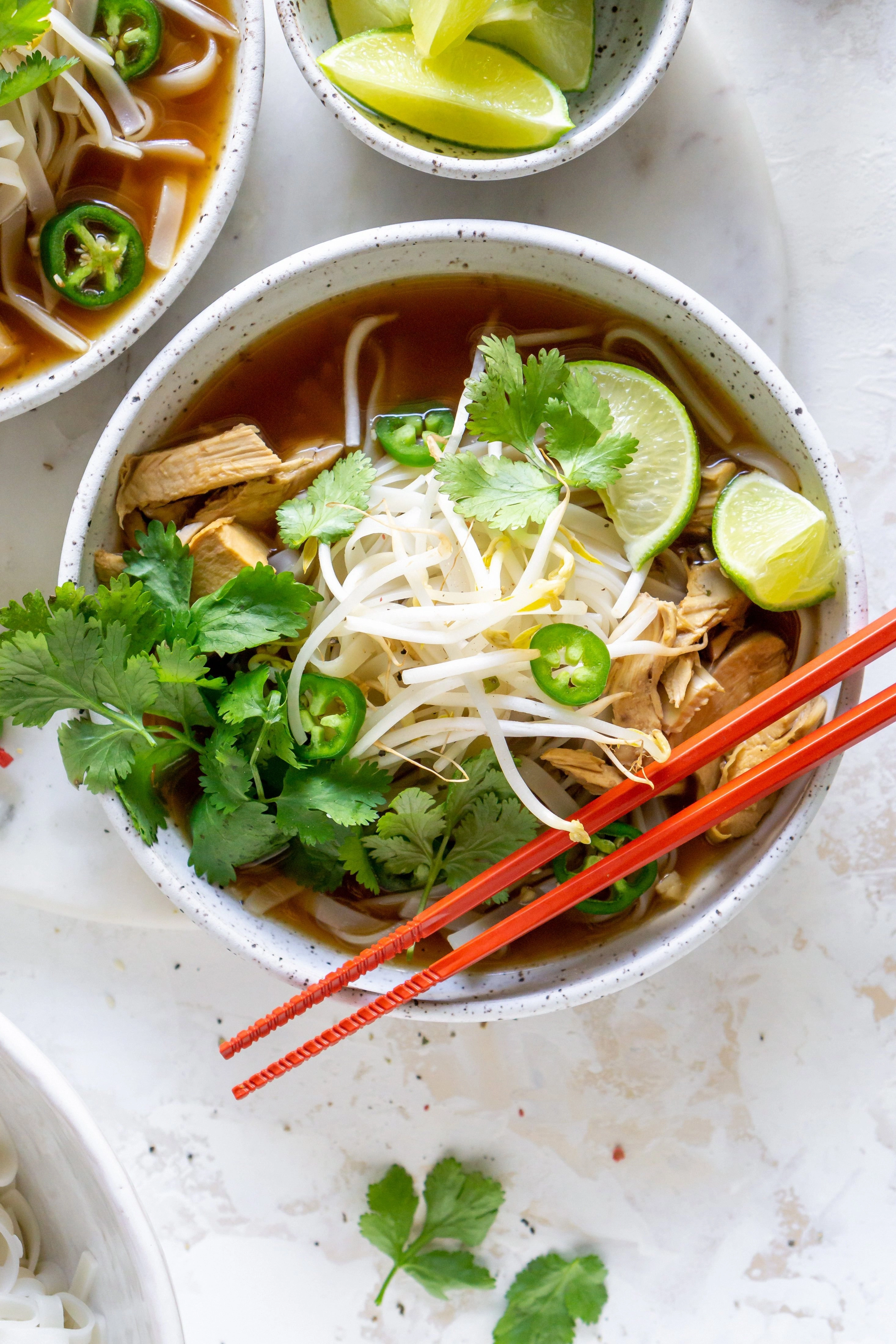
- To serve, place a handful of noodles in a bowl, top with shredded chicken, and ladle the hot broth over them. Garnish with lime wedges, cilantro, Thai basil, and bean sprouts. The final flourish should feel like a symphony of textures—soft noodles, tender meat, crisp herbs, and bright citrus. Enjoy immediately while the broth is still steaming hot.
That’s it — you did it. But hold on, I’ve got a few more tricks that will take this to another level…
Insider Tricks for Flawless Results
The Temperature Rule Nobody Follows
Many cooks think the broth can be left to simmer at any temperature, but the key is to maintain a gentle low heat. This allows the aromatics to release their flavors without scorching the stock. If the broth boils aggressively, the flavors become bitter and the broth loses its silky texture. Use a thermometer to keep the temperature between 180–190°F (80–88°C) for the best results.
Why Your Nose Knows Best
Your nose is the most reliable judge of flavor. If the broth smells off or lacks depth, it’s time to adjust. A hint of caramelized onion or a dash of toasted sesame oil can elevate the broth instantly. Trust your senses; the first aroma that hits your nose should be comforting and inviting.
The 5‑Minute Rest That Changes Everything
After the broth simmers, let it rest for 5 minutes before serving. This pause allows the flavors to settle and the aromatics to fully infuse the liquid. The rest period also lets the noodles absorb the broth, resulting in a more cohesive bowl. When you reheat the broth, you’ll notice a richer, deeper flavor compared to a freshly simmered pot.
Use a French Press for the Broth
If you have a French press, use it to strain the broth after simmering. This removes all the solids and leaves a crystal‑clear liquid that looks as good as it tastes. A clear broth is a visual cue of a well‑prepared pho, and it allows the colors of the toppings to pop.
The Secret to Perfect Noodles
Soak the noodles in hot water for exactly 30 seconds; this activates the starches and gives them a chewy texture. After soaking, rinse them under cold water to stop the cooking process and prevent clumping. Toss the noodles in a little sesame oil to keep them from sticking together. When you plate the soup, the noodles should hold their shape and not sink to the bottom.
Creative Twists and Variations
This recipe is a playground. Here are some of my favorite ways to switch things up:
Spicy Kimchi Pho
Add a spoonful of kimchi to the broth for an umami kick and a pop of fermented flavor. The kimchi’s natural spiciness pairs beautifully with the lime and jalapeño, creating a bowl that’s both tangy and bold. This version is perfect for those who love a little heat.
Mushroom Pho
Replace the chicken with a mix of shiitake, cremini, and oyster mushrooms. Sauté them with garlic before adding to the broth. The earthy tones of the mushrooms complement the broth’s sweetness and add a meaty texture for vegetarians.
Coconut Pho
Swap half of the chicken stock for coconut milk to create a creamy, tropical variation. The coconut adds a subtle sweetness that balances the savory broth. Garnish with sliced mango for an extra burst of fruitiness.
Herb‑Infused Pho
Add a handful of fresh mint and a few sprigs of lemongrass to the simmering broth. These herbs bring a refreshing brightness that cuts through the richness. This version is ideal for a light, aromatic bowl that feels like a breeze.
Vegan Pho
Use vegetable stock instead of chicken stock, and replace the rotisserie chicken with marinated tofu or tempeh. Add a splash of soy sauce and a dash of nutritional yeast for umami depth. This plant‑based version is just as comforting and flavorful.
Storing and Bringing It Back to Life
Fridge Storage
Cool the broth to room temperature, then transfer it to an airtight container. Store in the refrigerator for up to 3 days. When ready to serve, reheat gently on the stovetop or in a microwave, stirring occasionally to ensure even heating.
Freezer Friendly
Divide the broth and cooked noodles into freezer‑safe portions. Store the broth in a freezer‑proof container and the noodles in a zip‑lock bag. Freeze for up to 2 months. Thaw overnight in the refrigerator, then reheat on the stovetop, adding a splash of water if the broth has thickened.
Best Reheating Method
When reheating, add a tiny splash of water or broth to the pot to restore the broth’s original consistency. Heat gently over low to medium heat, stirring frequently to prevent scorching. The broth should be steaming hot and aromatic, just like when it was first made.