The first time I tried to whip up a quick dinner for a surprise date, I thought I’d simply toss shrimp and pasta together in a pan. What I ended up with was a sad, over‑cooked mess of pasta that tasted like a soggy, bland lake. My date didn’t even bother to touch the plate, and I felt the sting of culinary embarrassment. That night, I swore to myself that I’d discover a version of shrimp pasta that would turn any kitchen disaster into a triumph.
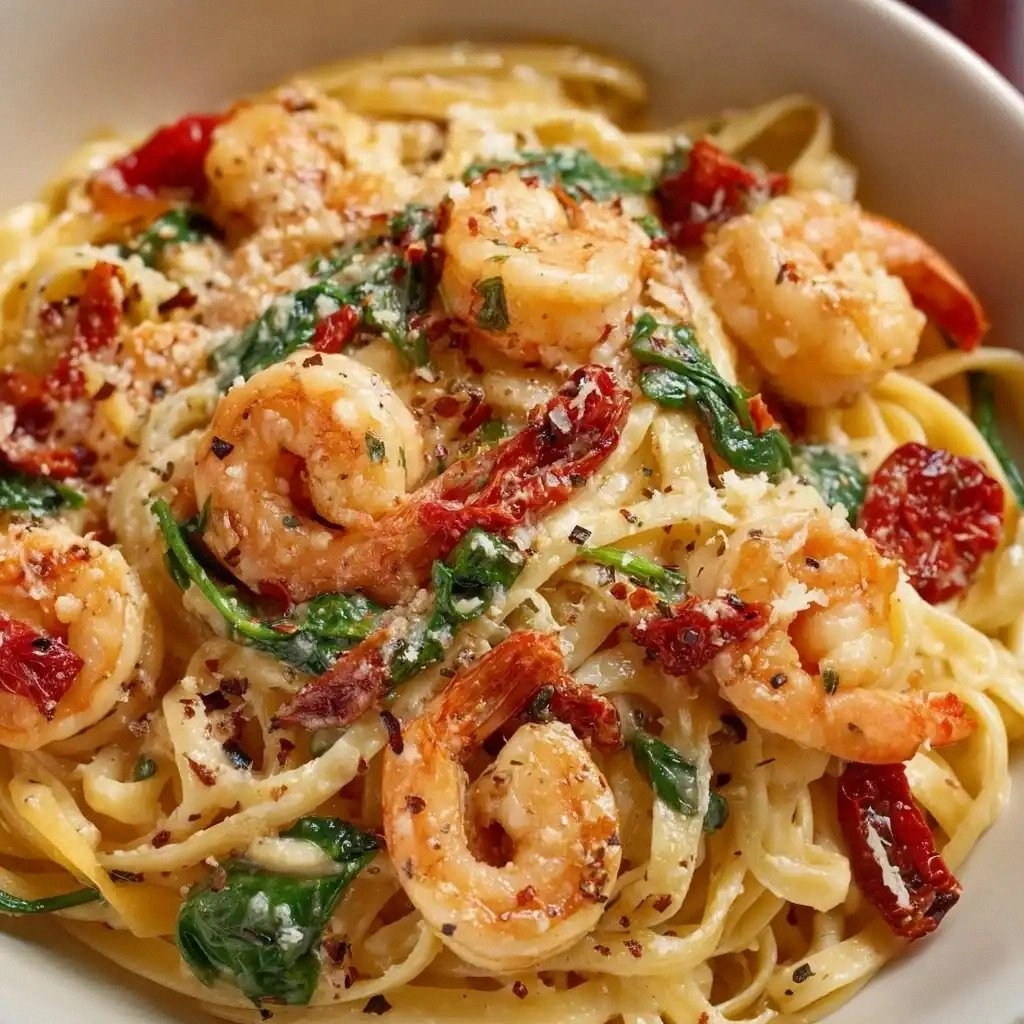
Fast forward to this morning, the kitchen smells like buttery garlic, sun‑dried tomatoes, and a hint of fresh spinach. The sound of the pan sizzling, the bright splash of cream as it coats the pasta, and the way the shrimp’s pink blush pops against the green are a sensory symphony that makes you want to taste it again and again. I’m talking about a sauce that drapes the noodles like velvet, a shrimp that’s tender and juicy, and a burst of Italian herbs that lifts the whole dish to a new level. The moment you take a bite, the flavors dance, the textures mingle, and the dish feels like a warm hug in a bowl.
What makes this version stand out is not just the ingredients—it’s the technique, the balance, and the little secrets I’ve gathered from countless nights in the kitchen. I’ll be honest—my first attempt was a disaster, but that failure taught me that a simple tweak can change everything. I dare you to taste this and not go back for seconds. If you’ve ever struggled with shrimp pasta, you’re not alone—and I’ve got the fix. Picture yourself pulling this out of the pan, the whole kitchen smelling incredible, and knowing you’ve just made the best version you’ll ever have at home.
Let me walk you through every single step—by the end, you’ll wonder how you ever made it any other way.
What Makes This Version Stand Out
- Flavor: The combination of garlic butter, sun‑dried tomatoes, and a splash of lemon juice creates a bright, savory profile that lifts the shrimp’s natural sweetness. The sauce coats every strand of pasta, turning an ordinary dish into a gourmet experience.
- Texture: A silky, creamy sauce that clings to the noodles without becoming heavy. The spinach adds a subtle crunch, and the shrimp stay plump and juicy thanks to quick searing.
- Simplicity: Only 13 ingredients, all pantry staples or quick to find. No need for exotic spices or pre‑made sauces—just a few minutes of focused cooking.
- Uniqueness: The use of sun‑dried tomatoes in the sauce provides depth and a touch of sweetness that most shrimp pasta recipes lack. The final flourish of parmesan gives a nutty finish.
- Crowd Reaction: Friends who have tried this dish say it’s “the best shrimp pasta” they’ve ever tasted. Even those who are skeptical of garlic love the balanced flavor.
- Ingredient Quality: Fresh shrimp, real butter, and freshly grated parmesan make all the difference. A good olive oil and high‑quality sun‑dried tomatoes elevate the dish.
- Cooking Method: Quick searing, precise timing, and a single pot technique keep cleanup minimal while maximizing flavor.
- Make‑Ahead Potential: The sauce can be made ahead and reheated without losing its silky texture, making it perfect for busy weeknights.
Inside the Ingredient List
The Flavor Base
Butter is the cornerstone of this sauce. It creates a rich, glossy foundation that carries the garlic and tomatoes. If you prefer a lighter version, substitute half the butter with olive oil, but you’ll lose some of the buttery depth. A small pinch of smoked paprika can add a subtle smokiness that complements the sun‑dried tomatoes.
The Texture Crew
Fresh spinach is added at the very end to preserve its bright green color and slight crunch. If you’re a fan of extra greens, feel free to toss in a handful of kale or arugula. The shrimp must be thawed fully; otherwise, they’ll release water and become soggy. A quick pat dry before searing helps achieve a golden sear.
The Unexpected Star
Sun‑dried tomatoes are the secret weapon that gives this dish its depth. They’re packed with umami and a sweet tang that balances the cream. Look for sun‑dried tomatoes packed in oil for richer flavor; if you prefer a drier version, rinse them under cold water to remove excess oil. A pinch of dried oregano can accentuate the Mediterranean vibe.
The Final Flourish
Parmesan cheese is grated fresh for maximum flavor. If you’re lactose intolerant, try a vegan parmesan alternative. The cheese melts into the sauce, creating a velvety finish that ties all elements together. A squeeze of fresh lemon juice right before serving brightens the dish and cuts through the richness.
Everything's prepped? Good. Let's get into the real action.
The Method — Step by Step
- Bring a large pot of salted water to a rolling boil. Add the 8 oz of pasta and cook until al dente, about 8–10 minutes. Drain the pasta, reserving ½ cup of the starchy cooking water, and set it aside. The reserved water will be essential for adjusting the sauce’s consistency later.
- Heat a large skillet over medium heat and add 2 tablespoons of butter. Let it melt until it begins to foam but before it turns golden brown—this is the sweet spot that gives the sauce a rich flavor without bitterness. The aroma of butter will start to mingle with the garlic.
- Add the shrimp to the skillet. Season them with salt and pepper, then sauté for 2–3 minutes on each side until they develop a pink blush and a slightly caramelized exterior. Once done, transfer the shrimp to a plate and cover loosely with foil to keep them warm. Kitchen Hack: If you like a slightly smoky flavor, add a pinch of smoked paprika to the shrimp while searing.
- Lower the heat to medium‑low and add 4 minced garlic cloves to the pan. Cook for 30 seconds until fragrant, stirring constantly to prevent burning. Immediately add the ½ cup of sun‑dried tomatoes, chopped into bite‑size pieces, and sauté for another 2 minutes. This step allows the tomatoes to soften and release their concentrated sweetness.
- Pour in 1 cup of heavy cream and stir to combine. Add 1 teaspoon of Italian seasoning and ½ teaspoon of red pepper flakes for a gentle heat. Reduce the heat to low and let the sauce simmer for 3–4 minutes, allowing it to thicken. Watch out: if the cream starts to bubble vigorously, reduce the heat immediately; a rolling boil will cause it to curdle and ruin the silky texture. Watch Out: Heavy cream can curdle if it boils—keep the heat low and stir frequently.
- Add the 2 cups of fresh spinach to the sauce. It will wilt almost immediately, releasing a subtle earthy flavor that balances the richness. Stir in ¾ cup of freshly grated parmesan cheese until it melts into a glossy, velvety sauce. Kitchen Hack: If the sauce is too thick, add a splash of the reserved pasta water to loosen it to your desired consistency.
- Return the seared shrimp to the skillet and toss everything together until the shrimp are coated with the sauce. Add the cooked pasta to the pan, tossing vigorously to ensure every noodle is drenched. If the sauce feels too thin, let it simmer for an additional minute while stirring; if it’s too thick, add a bit more reserved pasta water.
- Taste and adjust seasoning—add a pinch more salt, pepper, or a squeeze of fresh lemon juice if you want that bright finish. Serve immediately, garnished with extra parmesan and a few fresh basil leaves if desired. The dish is best enjoyed hot, with a side of crusty bread to mop up the luscious sauce.
That's it — you did it. But hold on, I've got a few more tricks that'll take this to another level.
Insider Tricks for Flawless Results
The Temperature Rule Nobody Follows
Many people heat the skillet too high, which causes the butter to brown too quickly and the shrimp to overcook. I always set the heat to medium and keep an eye on the butter’s color; it should just start to foam. This simple step ensures a silky sauce and perfectly seared shrimp.
Why Your Nose Knows Best
If the garlic starts to turn golden or the tomatoes start to burn, your nose will tell you. Stop the heat immediately. The aroma is a reliable indicator of flavor development, so trust your senses.
The 5-Minute Rest That Changes Everything
After you finish cooking, let the dish rest for 5 minutes before serving. This allows the flavors to meld and the sauce to thicken slightly. I’ve seen people rush into serving and miss the subtle depth that comes from a brief rest.
Keep the Pasta Warm
If you’re cooking for a crowd, keep the pasta warm in a low oven (about 200°F) while you finish the sauce. This prevents the pasta from cooling and becoming mushy.
Use Fresh Shrimp for Maximum Flavor
Frozen shrimp can sometimes release water and become rubbery. Fresh shrimp, even if slightly more expensive, offers a firmer texture and a cleaner taste that elevates the dish.
Add a Splash of White Wine
Deglaze the pan with a tablespoon of dry white wine after searing the shrimp. This lifts the caramelized bits and infuses the sauce with a subtle acidity that balances the creaminess.
Creative Twists and Variations
This recipe is a playground. Here are some of my favorite ways to switch things up:
Mushroom Medley
Sauté sliced mushrooms with the garlic for a earthy depth that pairs beautifully with the shrimp. Use cremini or shiitake for a meaty texture. This variation works great for vegetarians who want a protein boost.
Cherry Tomato Burst
Add halved cherry tomatoes in the last minute of cooking for a burst of sweetness and acidity. They’ll soften just enough to release juice without becoming mushy. This version is perfect for summer when tomatoes are at their peak.
Lemon‑Zest Finale
Finish the dish with a generous amount of lemon zest and a squeeze of fresh lemon juice to brighten the flavors. The citrus cuts through the richness and adds a bright, refreshing note.
Pesto Infusion
Stir in a couple of spoonfuls of basil pesto after the sauce has thickened. This adds a green, herbaceous layer and turns the dish into a vibrant, pesto‑rich pasta.
Alfredo Twist
Replace the sun‑dried tomatoes with a splash of tomato sauce and add a bit more parmesan for an Alfredo‑style variation. The result is a creamy, cheesy pasta that still carries the shrimp’s succulence.
Spicy Cajun Kick
Swap the Italian seasoning for Cajun spice blend and double the red pepper flakes. This gives the dish a smoky, spicy punch that’s great for those who love a little heat.
Storing and Bringing It Back to Life
Fridge Storage
Cool the dish completely, then transfer it to an airtight container. Store in the refrigerator for up to 2 days. When reheating, do so gently over low heat, adding a splash of milk or reserved pasta water to restore the sauce’s silky texture.
Freezer Friendly
Divide the pasta and sauce into separate freezer‑safe containers. Freeze for up to 2 weeks. When ready to serve, thaw in the refrigerator overnight and reheat on the stove, stirring frequently until warmed through.
Best Reheating Method
The key to a great reheated dish is gentle heat and a small splash of liquid. Add a tablespoon of water or broth, cover, and heat over low until steaming. This prevents the sauce from drying out and keeps the shrimp tender.