I still remember the exact moment this soup was born — it was a Tuesday night, my fridge was basically empty except for some leftover lasagna sheets and a rotisserie chicken carcass, and I was too lazy to make a proper béchamel. I thought, "What if I just... didn't?" What if I let the starch from the pasta do the thickening, the cream do the comforting, and the chicken do the protein-heavy lifting, all in one pot? Thirty minutes later I was standing over the stove, spoon in hand, slurping straight from the ladle like some kind of feral Italian grandmother. My roommate walked in, took one whiff, and without a word grabbed a second spoon. We demolished the entire batch standing up, trading bites like it was the last food on earth. That was three years ago. I've made it weekly ever since, tweaking, tasting, and occasionally hiding leftovers in the back of the fridge so I don't have to share.
Here's the thing: most "white chicken lasagna soups" taste like someone dumped Alfredo sauce into chicken broth and called it a day. They're gloopy, one-note, and leave you with that heavy, flour-paste coating on your tongue. This version flips the script. We're building layers the same way you'd build a proper lasagna — only instead of stacking noodles, we're stacking flavors. First comes the aromatic trinity of onion, carrot, and celery, sautéed in butter until they practically melt. Then we bloom the garlic until it smells like you've been transported to a trattoria in Rome. The chicken gets seared until the edges caramelize, because fond equals flavor. And instead of a roux that dulls everything, we use a modest sprinkle of flour that toasts just enough to kill the raw taste, then let the broken lasagna pieces release their starch into the broth. The result? A soup that's silky, not gluey; bright, not bland; and so addictive you'll be texting yourself reminders to make it again before you've even done the dishes.
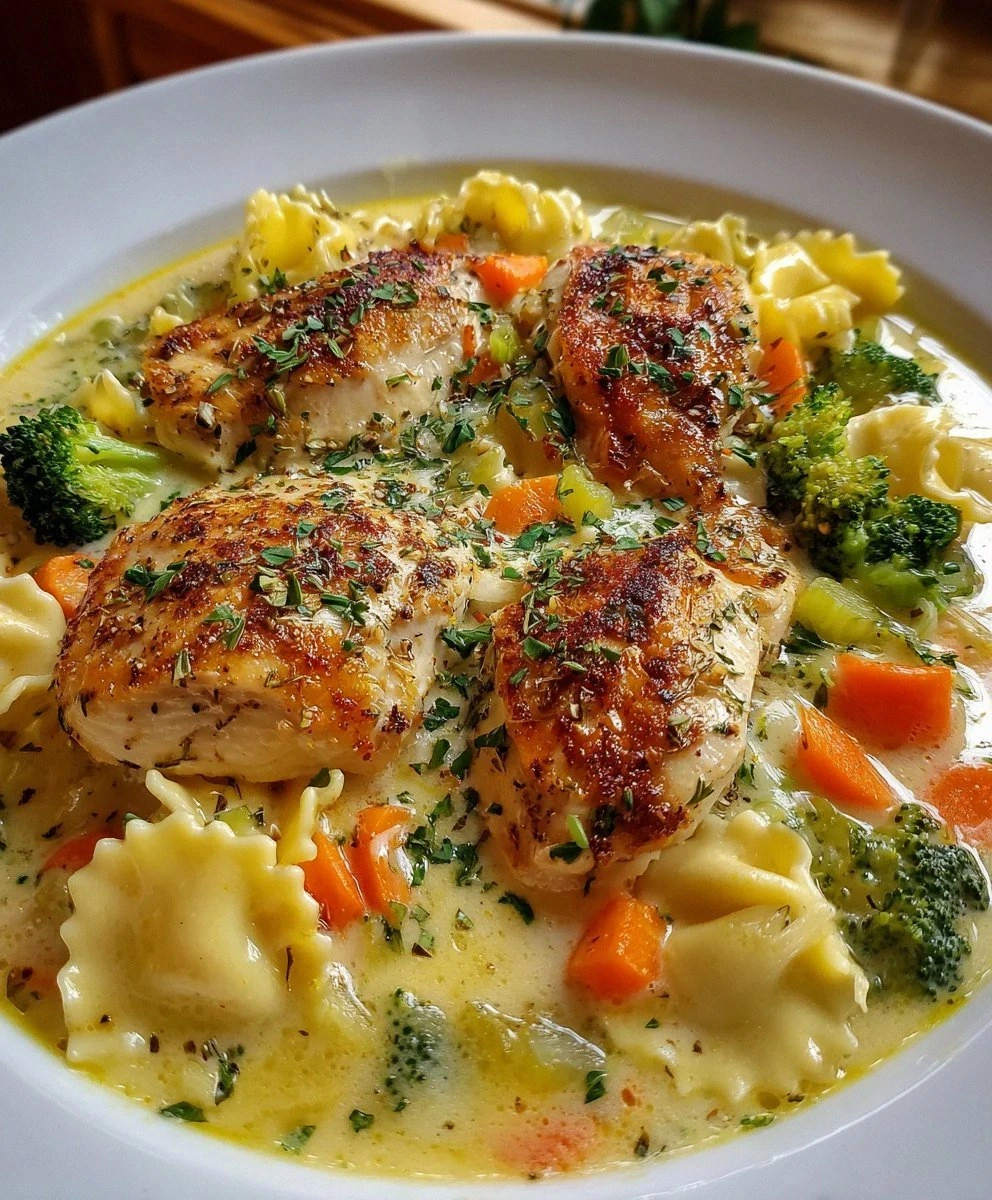
Picture this: it's snowing outside, you've got fuzzy socks on, and the whole kitchen smells like butter, garlic, and parmesan. The soup bubbles gently, the cream swirling into the broth like coffee into milk, and every time you stir, the lasagna pieces rise and fall like little edible rafts. You ladle it into a wide bowl, watch the steam curl up, and grate fresh parm right into the molten center so it melts into stringy, salty magic. The first spoonful is a punch of savory chicken, followed by the mellow sweetness of carrot, then the sharp bite of parmesan, and finally the creamy, peppery finish that makes you close your eyes involuntarily. I dare you to taste this and not go back for seconds. Actually, I dare you to stop at thirds. I've never seen it happen.
Stay with me here — this is worth it. We're about to turn pantry staples into something that tastes like a nonna spent all day hovering over the stove. Let me walk you through every single step — by the end, you'll wonder how you ever made it any other way.
What Makes This Version Stand Out
Velvety Without the Velveeta: Most creamy soups rely on processed cheese for that goo factor. We use real heavy cream and a modest flour roux, letting the parmesan do the salty, nutty lifting. The result is a texture that coats your spoon like velvet, but tastes like actual food, not a science experiment.
Lasagna Noodles That Don't Turn to Mush: Here's the secret — we break the sheets into big, rustic shards and add them in the last ten minutes. They stay al dente, curling flirtatiously around your spoon, so every bite still feels like pasta, not baby food.
One Pot, Zero Drama: No separate béchamel, no baking dish, no layering, no 45-minute bake time. Everything happens in the same Dutch oven, meaning fewer dishes and more couch time. If you've ever struggled with finicky lasagna assembly, you're not alone — and I've got the fix.
Chicken That Tastes Like Chicken: Instead of shredding pre-cooked bird into stringy oblivion, we sear raw breast until the edges caramelize, then let it poach gently in the broth. You get actual chicken flavor, not just protein filler. Future you will taste the difference.
Broccoli That Brings the Brightness: Little florets go in at the very end so they stay emerald and slightly crisp. They cut through the richness the way a squeeze of lemon would, but with crunch. Kids who claim to hate broccoli inhale this — I've witnessed the miracle firsthand.
Make-Ahead Magic: The flavors meld overnight into something even more outrageously delicious. Pack it into mason jars, grab one on your way out, and you've got a desk-lunch that'll make coworkers weep with envy. Just save a little extra broth to thin it when you reheat.
Alright, let's break down exactly what goes into this masterpiece...
Inside the Ingredient List
The Flavor Base
Yellow onion is the quiet MVP here — when it hits the butter, it releases sugars that caramelize into a savory sweetness that seasons the entire pot. Skip it and the soup tastes flat, like listening to music with the bass turned off. Carrot and celery join the party next; they're the backup singers that keep everything harmonious. Dice them small so they melt into the background, leaving their essence without stealing the show.
The Texture Crew
All-purpose flour is the unsung thickener. We toast it for just 90 seconds — long enough to cook out the raw, pasty taste, but not so long it browns. Think of it as the polite guest who holds the door open for cream and parmesan. Heavy cream brings the luxurious body, but we wait until the end so it doesn't curdle. And those broken lasagna sheets? They're not just filler; they're little flavor elevators, catching droplets of broth in their ruffled edges.
The Unexpected Star
Fresh broccoli is the plot twist nobody sees coming. It adds a grassy pop and a satisfying bite that keeps each spoonful interesting. If you swap in frozen, you'll get gray mush — trust me, I've been that lazy. A quick 3-minute dunk at the very end keeps it neon green and crisp-tender. Even people who think they hate broccoli ask for seconds; it's that good.
The Final Flourish
Parmesan does triple duty: stirred into the soup for salty depth, sprinkled on top for umami crunch, and secretly flavoring the broth as the rind simmers. Save your rinds in the freezer for moments like this. Kinder's The Blend seasoning is my cheat code — a pre-mixed punch of salt, pepper, and garlic that saves me from three separate grinds. If you don't have it, a generous pinch of each works, but you'll miss the convenience.
Everything's prepped? Good. Let's get into the real action...
The Method — Step by Step
-
Grab your widest, heaviest pot — I use a 5-quart enameled Dutch oven because it holds heat like a champ. Set it over medium-high and add 2 tablespoons of olive oil. While it shimmers, pat the chicken breasts ruthlessly dry with paper towels; moisture is the enemy of browning. Season both sides with a heavy pinch of Kinder's The Blend, then lay them in the pot like you're tucking them into bed. Don't crowd them or they'll steam instead of sear. Let them sizzle undisturbed for 4 minutes; the edges should turn opaque and the underside should be the color of toasted almonds. Flip, sear another 3 minutes, then transfer to a plate. They'll finish cooking later in the broth, but this caramelization step is where the soul of the soup is born.
-
Lower the heat to medium and add the salted butter to the same pot — yes, right into the chicken fond. As it foams, use a wooden spoon to scrape up every last bit of golden goodness. Those sticky brown bits are pure flavor crystals. Once the butter stops foaming and just starts to smell nutty, tumble in the diced onion, carrot, and celery plus a pinch of salt. Stir occasionally for 6 minutes; you're looking for the vegetables to soften and the onion to turn translucent, almost like it's melting into the butter. Your kitchen should smell like Thanksgiving at this point. If the fond starts to burn, splash in a tablespoon of broth and keep scraping.
-
Clear a little space in the center and add the minced garlic. Let it sizzle for 30 seconds — no longer or it'll go bitter — then fold everything together. The aroma will punch you in the best way; that sharp, sweet perfume is your cue to move on. Sprinkle the flour over the vegetables and stir constantly for 90 seconds. You want every speck to look damp but not pasty. Think of it as giving the flour a quick tan. This step cooks out the raw cereal taste so your soup won't remind anyone of kindergarten glue.
Now comes the liquid gold: chicken broth. Pour it in slowly, whisking as you go to prevent lumps. The flour will seize up at first, then relax into a smooth suspension. Add the Kinder's The Blend, crank the heat to high, and bring to a boil. Once bubbling, reduce to a lively simmer and slide the chicken back in, along with any juices that escaped on the plate. Cover partially and let it burble away for 10 minutes. The chicken will finish poaching while the broth thickens slightly. You'll know it's ready when the liquid coats the back of a spoon like light cream.
Meanwhile, snap your dry lasagna sheets into bite-size shards — some the size of postage stamps, some bigger. Irregular is good; we're not building a cathedral here. After the 10-minute simmer, fish the chicken onto a cutting board and add the pasta pieces to the pot. Stir so nothing sticks to the bottom, then let them dance for 6 minutes. They should curl and soften but still have a firm bite. If they look thirsty and the broth is getting thick, splash in another half-cup of broth or water.
While the pasta does its thing, shred the chicken with two forks — or if you're impatient like me, use your fingers once it's cool enough. You want a mix of chunky and stringy bits for varied texture. Return the chicken to the pot, add the fresh broccoli florets, and simmer for 3 minutes more. The broccoli should turn bright emerald and still have snap. If you walk away now, you'll come back to gray mush, and I will cry for you.
Reduce the heat to low and stir in the heavy cream. Don't let it boil now or you'll get that unappetizing grainy texture. Taste and adjust — maybe another pinch of salt, a crack of pepper, or if you're feeling rebellious, a squeeze of lemon for brightness. The soup should be thick enough to coat pasta but still spoonable, like a stew that went to finishing school.
Off the heat, shower in half the grated parmesan and stir until it melts into glossy strings. Ladle into wide, shallow bowls — deep mugs make the pasta clump — and top with the remaining parm and a twist of black pepper. Serve with crusty bread for swiping the bowl clean. That first bite? Pure magic. The creamy broth clings to every noodle shard, the chicken is juicy, the broccoli pops, and the parmesan forms little salty pockets of joy. I dare you to taste this and not go back for seconds.
That's it — you did it. But hold on, I've got a few more tricks that'll take this to another level...
Insider Tricks for Flawless Results
The Temperature Rule Nobody Follows
Most people crank the heat too high when adding cream, which causes it to separate into greasy flecks. Keep the soup at a gentle simmer — no bubbles breaking the surface — when you stir in the heavy cream. If you're nervous, temper it first: whisk a ladle of hot broth into the cream, then pour the warmed cream back into the pot. Your future self will thank you when you're not staring at a broken, oily mess.
Why Your Nose Knows Best
Don't trust the clock alone; trust the aroma. When the garlic is perfectly sautéed, it'll smell sweet and nutty, not sharp. When the flour is cooked, it'll lose that raw-bread smell and start to mimic toasted hazelnuts. And when the parmesan hits the hot soup, you should get a whiff of salty umami that makes your mouth water instantly. If any stage smells off or flat, give it another 30 seconds. Your nose is smarter than any timer.
The 5-Minute Rest That Changes Everything
Once the soup is finished, let it sit off the heat for five minutes before serving. This brief pause allows the starch from the pasta to finish thickening the broth and the flavors to marry into something greater than the sum of their parts. A friend tried skipping this step once — let's just say it tasted like chicken-flavored milk. Patience, young padawan.
Creative Twists and Variations
This recipe is a playground. Here are some of my favorite ways to switch things up:
Spinach & Artichoke Vegas Remix
Swap the broccoli for a big handful of baby spinach and a drained jar of quartered artichoke hearts. Add them with the cream so the spinach wilts but stays vibrant. It tastes like the dip, but socially acceptable for dinner.
Buffalo Blue Cheese Bomb
Replace Kinder's seasoning with a teaspoon of cayenne and a tablespoon of Frank's RedHot. Finish with crumbled blue cheese instead of parmesan. It's wings in sweater-weather form.
Mushroom Medley Forrest Style
Sauté 8 ounces of mixed mushrooms in butter before the vegetables. They'll give an earthy depth that makes the soup taste like it simmered for hours in a cabin somewhere romantic.
Loaded Baked Potato Mash-Up
Sub diced Yukon golds for half the pasta and stir in crispy bacon bits at the end. Top with green onions and a dollop of sour cream. Carb lovers, unite.
Light & Zesty Spring Edition
Use half-and-half instead of heavy cream, add peas and asparagus tips with the broccoli, and finish with lemon zest and fresh dill. It's the same comfort, but in a sundress.
Smoky Gouda Campfire Situation
Swap parmesan for smoked gouda and add a pinch of smoked paprika. Close your eyes and you'll swear there's a bon crackling somewhere nearby.
Storing and Bringing It Back to Life
Fridge Storage
Let the soup cool completely, then transfer to airtight containers. It'll keep for up to 4 days, though the pasta will continue to absorb broth and thicken. Store extra broth separately so you can thin it when reheating. Pro tip: ladle into wide-mouth jars so the pasta doesn't snap when you reheat.
Freezer Friendly
Freeze before adding the cream and broccoli. Cool, portion into freezer bags, squeeze out excess air, and freeze flat for up to 3 months. When ready to eat, thaw overnight in the fridge, then reheat gently and stir in the cream and broccoli as directed. The texture stays dreamy instead of grainy.
Best Reheating Method
Pour into a saucepan with a splash of broth or milk and warm over medium-low, stirring often. Microwaves work in a pinch, but heat at 70% power in 45-second bursts, stirring between, to prevent the cream from separating. Add a tiny splash of water before reheating — it steams back to perfection and revives the silky texture.