I still remember the first time I made these Cajun Chicken Sloppy Joes — it was a Tuesday night that smelled like betrayal. My partner had promised to bring home barbecue sandwiches from our favorite joint, but they forgot. There I stood, hungry and irrationally angry, staring at a pound of ground chicken like it had personally offended me. Most people would have thrown together some sad chicken burgers and called it a night, but I'm wired differently. I started grabbing ingredients like a culinary tornado, and what emerged from that skillet was nothing short of magic. The smoky paprika hit the hot oil first, creating this perfume that made our neighbor knock to ask what we were cooking. By the time the Cajun seasoning joined the party, even our cat was circling the kitchen like a furry little food critic.
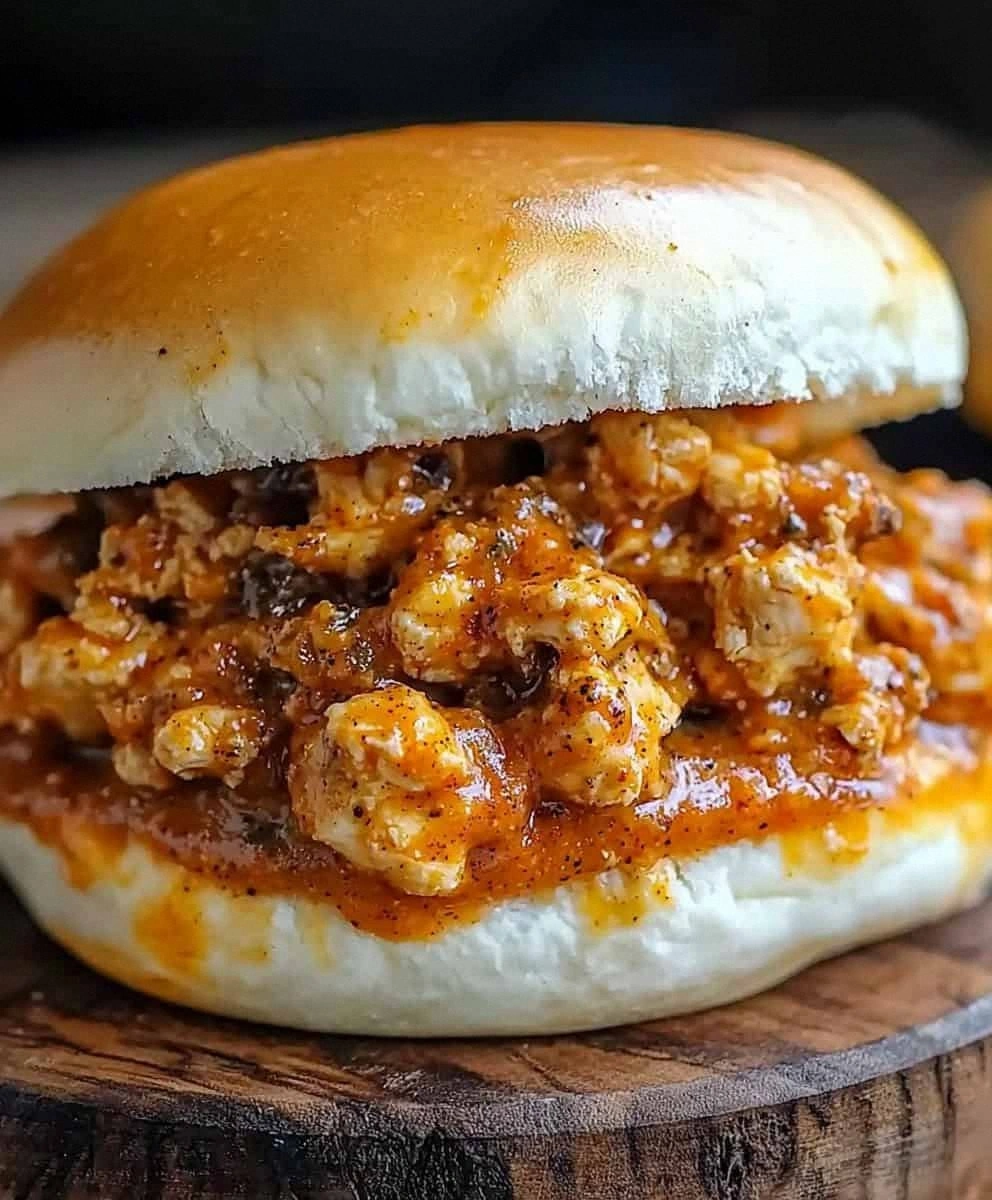
These aren't your cafeteria's sloppy joes — you know, those sad, sweet meat piles that somehow managed to be both dry and soggy at once. No, these are what happens when New Orleans street food crashes headfirst into your favorite childhood comfort food and decides to throw a party. The chicken stays juicy because we're not cooking it into oblivion like your school cafeteria lady did. Instead, we brown it just enough to develop those gorgeous caramelized bits, then let it simmer in a sauce that's bold enough to make you sit up straighter but balanced enough that you'll want to drink it with a spoon. Picture this: tender chicken swimming in a sauce that's equal parts tangy, spicy, and slightly sweet, with bits of bell pepper that still have a little snap. That first bite? It's like your taste buds just got invited to Mardi Gras.
I've made this recipe at least forty times since that fateful Tuesday, tweaking and adjusting each time like a mad scientist in an apron. The version I'm sharing today is the one that made my notoriously picky brother-in-law ask for the recipe — and he once told me quinoa was "hippie propaganda." What makes these special isn't just the heat (though we'll get to that), it's the layers of flavor that build like a good jazz solo. There's the immediate kick from the Cajun seasoning, sure, but then the smoked paprika whispers hello, and just when you think you've got it figured out, the brown sugar and Worcestershire sauce team up for a sweet-umami plot twist that'll make you close your eyes involuntarily. Stay with me here — this is worth it.
Let me walk you through every single step — by the end, you'll wonder how you ever made it any other way.
What Makes This Version Stand Out
Flavor Bomb: Most sloppy joe recipes taste like someone dumped ketchup on ground meat and called it a day. This version builds real depth with a careful balance of Cajun spices, smoked paprika, and just enough brown sugar to round everything out without making it taste like candy. The result is a sauce that tastes like it simmered for hours when it really only needs about twenty minutes.
Chicken That Actually Tastes Like Something: Ground chicken gets a bad rap for being bland, but that's because most people treat it like ground beef. We're browning it hard and fast to develop those gorgeous fond bits on the bottom of the pan — that's where the flavor lives, people. The chicken stays tender because we're not overcooking it into sawdust.
Texture Paradise: Every bite gives you something different — the soft bun soaking up all that glorious sauce, the tender chicken, the slight crunch of bell pepper that we add late so it stays bright, and if you're smart (which you are), that cool crunch from shredded lettuce on top. It's like a textural symphony in sandwich form.
Weeknight Friendly: From fridge to table in under forty-five minutes, and most of that is hands-off simmering time. While the sauce bubbles away, you can set the table, pour yourself a drink, or just stare out the window contemplating why all sandwich fillings aren't this good.
Crowd Control: I dare you to taste this and not go back for seconds. I've watched grown adults argue over the last sandwich at potlucks. The recipe scales beautifully for parties, and you can keep it warm in a slow cooker for game day without it turning into mystery meat.
Make-Ahead Magic: This actually tastes better the next day, which means you can prep it on Sunday and have lunches that'll make your coworkers jealous all week. The flavors meld and deepen overnight like they're having their own little flavor party while you sleep.
Customizable Heat: Want to wake up your sinuses? Add extra cayenne. Feeding kids or spice-wimps? Back off the heat and let people add hot sauce at the table. The base recipe hits that perfect medium that makes you reach for your drink without sending you running for milk.
Inside the Ingredient List
The Flavor Base
Ground chicken is the unsung hero here — it acts like a flavor sponge, soaking up every bit of that incredible sauce instead of fighting it like stubborn ground beef can. Look for chicken that's at least 93% lean; anything fattier makes the sandwich greasy, and anything leaner dries out faster than your phone battery at 5%. If you can only find the super-lean stuff, add an extra teaspoon of olive oil to keep things moist. Some folks swear by mixing in a little ground dark meat for richness, and honestly, they're onto something.
The holy trinity of Cajun cooking — onion, bell pepper, and garlic — form the aromatic backbone that makes your kitchen smell like you know what you're doing. Dice that onion fine, but leave the bell pepper in slightly bigger pieces so they stay toothsome. Green bell pepper is traditional, but here's a secret: use half green and half red for a sweeter, more complex flavor. The garlic goes in last because burnt garlic tastes like disappointment and regret.
The Spice Brigade
Good Cajun seasoning is non-negotiable, and please, for the love of all that is delicious, check the expiration date. Old spices taste like dusty nothing. If your seasoning doesn't smell like you could rub it on yourself and attract a mate, it's too old. The smoked paprika is what gives this that backyard barbecue vibe even though we never go near a grill — it's like liquid camping trip. And the cayenne? That's your volume knob. Start with half a teaspoon, taste, and remember you can always add more but you can't un-spice something without making a whole new batch.
Brown sugar might seem out of place in a savory sandwich, but it's the secret handshake that makes all the other flavors feel welcome. It balances the acid from the tomatoes and the heat from the spices, creating this three-part harmony that'll make you wonder why every sandwich filling doesn't include a little sweetness. Dark brown sugar has more molasses and gives deeper flavor, but light works in a pinch.
The Sauce Squad
Diced tomatoes bring freshness and body to the sauce, and here's where you get to make choices. Fresh tomatoes in summer, when they're actually worth eating, will make you weep with joy. The rest of the year, good canned tomatoes are actually better than those sad supermarket imposters. Fire-roasted canned tomatoes add extra depth that plays beautifully with the smoked paprika. Whatever you choose, don't drain them — that juice is liquid gold.
Ketchup isn't just for kids — it's the shortcut to umami-rich tomato flavor that would take hours to develop from scratch. Worcestershire sauce adds that mysterious savory note that makes people ask "what's in this?" while they take another bite. It's like the bass player in a band — you might not specifically notice it, but you'd miss it if it was gone.
The Final Flourish
Those hamburger buns matter more than you think. Cheap buns fall apart faster than my willpower at a bakery. Go for sturdy buns that can handle serious sauce without becoming a sad, soggy mess. Toasting them isn't just being fancy — it creates a moisture barrier that keeps the bottom bun from dissolving into your hand. A quick brush with butter and thirty seconds under the broiler transforms ordinary buns into something that could headline its own sandwich.
The toppings aren't afterthoughts — they're the fresh contrast that makes the whole thing work. Shredded lettuce adds crunch and cools your palate between spicy bites. Pickles bring acid that cuts through richness like a bright pop song after a heavy ballad. And cheese? Optional but recommended. Something mild like Monterey Jack melts into every crevice, while sharp cheddar stands up to all those bold flavors.
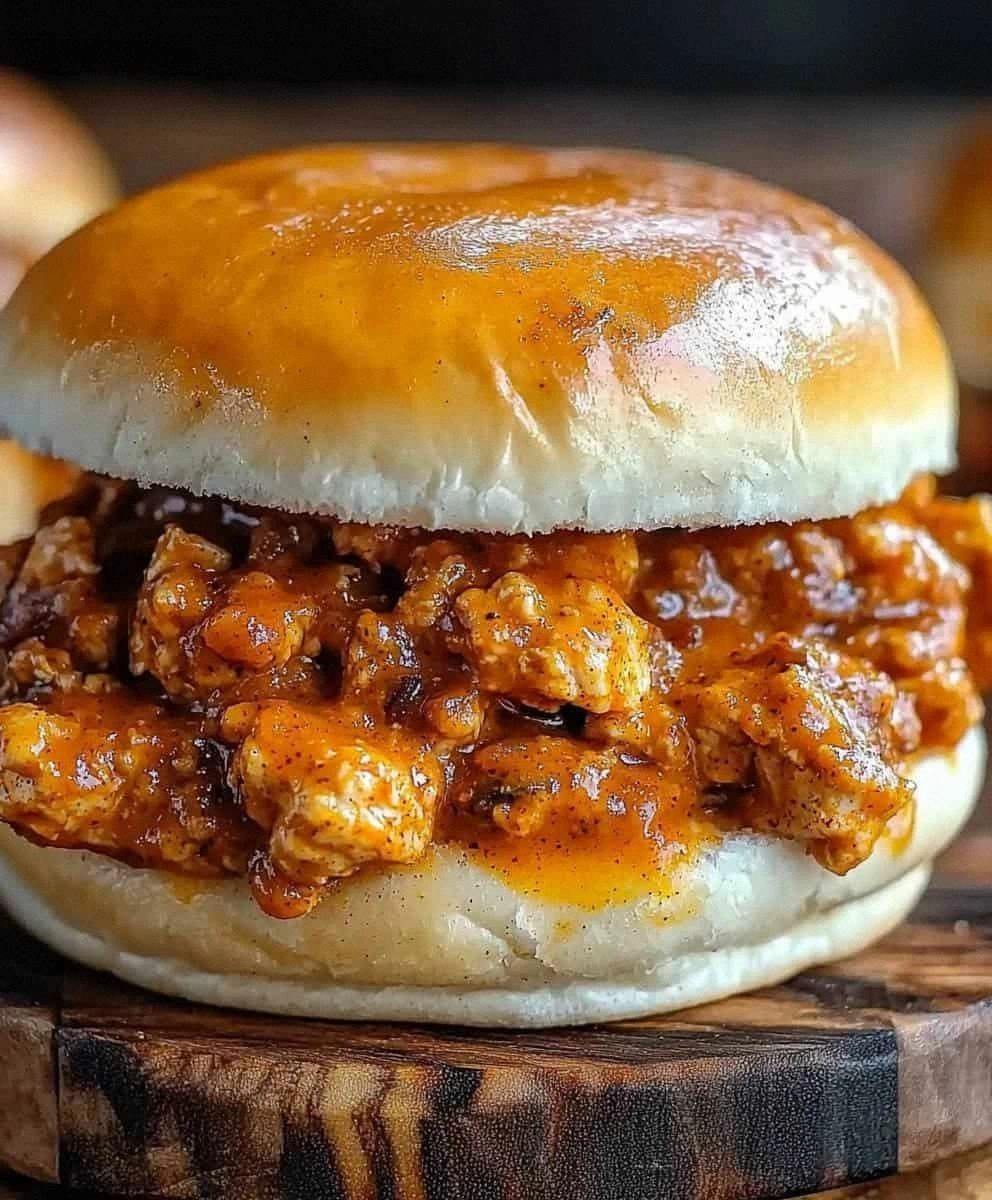
The Method — Step by Step
- Heat your largest skillet over medium-high heat until a drop of water sizzles like it's angry at you. Add the olive oil and swirl to coat — it should shimmer like liquid gold and move as fluidly as your excuses for not cooking more often. This is the foundation of flavor, so don't rush it. A properly heated pan means your chicken will brown instead of steam, and those brown bits are where dreams are made.
- Add the ground chicken in one even layer and resist the urge to touch it. I know, I know — you're a control freak in the kitchen (same), but let it sit for a solid three minutes. This is where the magic happens. When you see the edges turning opaque and the bottom is gorgeously browned, that's your cue to break it up with a wooden spoon. Continue cooking until it's no longer pink, about five more minutes total. The chicken should be in small, irregular pieces — not the sad, uniform crumbles you get from over-mashing.
- Push the chicken to the edges of the pan and add the onion in the center. That sizzle when it hits the hot surface? That's the sound of flavor being born. Cook for three minutes, stirring occasionally, until the onion starts to turn translucent around the edges. Add the bell pepper and cook for another two minutes — we want it to stay bright and slightly crunchy. The chicken will get jealous and try to sneak back into the center, but just push it aside again.
- Clear a small space in the center and add the garlic. Let it cook for just thirty seconds — you're looking for it to turn fragrant but not brown. Burnt garlic is bitter garlic, and bitter garlic will haunt your dreams. Stir everything together so the garlic mingles with the vegetables and meat like it's speed-dating night at the flavor factory.
- This next part? Pure magic. Sprinkle the Cajun seasoning, smoked paprika, and cayenne evenly over everything. Stir for one minute to toast the spices — you'll know it's working when your kitchen starts smelling like you should open a restaurant. Toasting spices in fat (called blooming) releases their essential oils and intensifies flavors exponentially. This is why restaurant food tastes better than home cooking — they know about blooming spices.
- Add the diced tomatoes with their juice, ketchup, Worcestershire sauce, and brown sugar. Stir well, scraping up all those gorgeous brown bits from the bottom of the pan. Those bits are called fond, and they're basically concentrated flavor crystals. The liquid should come to a gentle simmer pretty quickly. Reduce the heat to low and let it bubble away for fifteen minutes, stirring occasionally. The sauce will thicken and turn a deep, rich color that makes you want to dive in face-first.
- Taste and season with salt and pepper. Here's where you adjust the heat — if it's too mild, add more cayenne a pinch at a time. If it's too spicy, a little extra brown sugar will tame the flames. The sauce should coat the back of a spoon but still be spoonable — not so thick it stands up, not so thin it runs like water. Remember it'll thicken slightly as it cools.
- While the sauce simmers, toast your buns. Split them open and arrange cut-side-up on a baking sheet. Brush with butter if you're feeling fancy (and you should be), then slide under the broiler for one to two minutes. Watch them like a hawk — they go from perfect to charcoal in the blink of an eye. You're looking for golden edges and a slightly crisp surface that'll stand up to all that glorious sauce.
- Spoon the hot chicken mixture onto the bottom buns — be generous, this isn't the time for restraint. Top with shredded lettuce, pickles, and cheese if using. Crown with the top bun and press down slightly. That first bite should send a little shiver down your spine as the cool lettuce meets the hot, spicy chicken, the soft bun gives way to saucy perfection, and you wonder why every sandwich can't be this good.
Insider Tricks for Flawless Results
The Temperature Rule Nobody Follows
Here's the thing that separates good cooks from great ones: temperature control. When you add the chicken, the pan should be hot enough that it sizzles immediately but not so hot that the oil smokes like a 1970s diesel truck. Medium-high heat is your sweet spot. Too low and the chicken steams in its own juice, turning gray and sad. Too high and the spices burn faster than your motivation on a Monday morning. After you add the liquid ingredients, drop it to low and let it simmer gently. A violent boil will break down the chicken into mush and evaporate your sauce too quickly. You're looking for lazy bubbles that break the surface with all the urgency of a cat deciding whether to move.
Why Your Nose Knows Best
Trust your senses — they're smarter than any timer. When the onions hit the pan, they should smell sweet and slightly sharp, never acrid or burnt. The garlic needs exactly thirty seconds to release its perfume; any longer and it turns bitter faster than your ex's personality. When you bloom the spices, you're watching for them to darken slightly and smell intensely fragrant — it's like they've been volume-boosted from whisper to shout. If you smell burning, you've gone too far, but if you don't smell anything, you haven't gone far enough. This is why restaurant cooks always seem so zen — they're not watching clocks, they're watching (and smelling) for the moment when ingredients transform from raw to remarkable.
The 5-Minute Rest That Changes Everything
I know you're hungry — trust me, I get it. But letting the finished mixture rest for five minutes off heat before serving is the difference between good and legendary. During this rest, the sauce thickens slightly as it cools, the flavors meld together like old friends reuniting, and the chicken has a chance to absorb some of that gorgeous sauce. Plus, it gives you time to toast the buns properly without rushing. A friend tried skipping this step once — let's just say it ended with sauce running down her arm and a bun that disintegrated faster than her dignity at a karaoke bar. Those five minutes are an investment in sandwich integrity, and your future self will thank you.
The Bun-to-Filling Ratio That Prevents Disasters
Listen, I love a saucy sandwich as much as the next person, but there's a fine line between delightfully messy and requiring a shower afterward. Use about half a cup of filling per regular-sized bun — it looks stingy until you add the toppings and press down. The lettuce and pickles add volume without adding more sauce, creating that perfect balance where every bite has bun, filling, and toppings. If you're using smaller slider buns, drop it to a quarter cup. And please, for the love of sandwich architecture, don't overfill and then complain it's too messy. That's like wearing white to a spaghetti dinner and blaming the sauce.
Creative Twists and Variations
This recipe is a playground. Here are some of my favorite ways to switch things up:
The Bayou Bomb
Swap the bell pepper for diced andouille sausage — sauté it until the edges caramelize before adding the chicken. Add a splash of beer instead of water if the sauce needs thinning. This version tastes like Mardi Gras in your mouth, with smoky sausage adding depth and beer bringing malty complexity. Top with pepper jack cheese and pickled jalapeños if you want to live dangerously.
The Garden Party
Make it vegetarian by replacing the chicken with finely diced mushrooms and crumbled firm tofu. Use the same seasonings but add them earlier so the mushrooms can absorb all that flavor. The texture is surprisingly meat-like, and the mushrooms bring an earthy richness that plays beautifully with the Cajun spices. Even carnivores have been fooled by this version — it's that good.
The Breakfast Betrayal
Leftovers become breakfast royalty when you spoon them over toasted English muffins and top with a runny fried egg. The yolk breaks and mingles with the spicy sauce, creating this unholy alliance that'll make you question why you ever ate regular breakfast sandwiches. Add a slice of tomato and some arugula if you want to pretend you're being healthy.
The Low-Carb Liberation
Skip the bun entirely and serve the mixture in hollowed-out bell pepper halves. Bake them for fifteen minutes at 375°F until the peppers are tender but still hold their shape. Top with a dollop of Greek yogurt mixed with hot sauce. It's all the flavor without the carb coma, and the pepper bowls are edible bowls — which is just efficient.
The Slider Sensation
Make mini versions for parties using Hawaiian sweet rolls — the sweetness plays beautifully against the spice. Cut the whole sheet of rolls in half horizontally, pile on the filling, top with cheese, and bake at 350°F for ten minutes until the cheese melts. Slice into individual sliders and watch them disappear faster than free samples at Costco.
The International Incident
Swap the Cajun seasoning for Korean gochujang paste and add a tablespoon of soy sauce. Replace the bell pepper with kimchi for a Korean-Mexican fusion that shouldn't work but absolutely does. Top with shredded Korean pear for crunch and sweetness. It's like your sandwich backpacked through Asia and came back with stories.
Storing and Bringing It Back to Life
Fridge Storage
The filling keeps beautifully in the fridge for up to four days in an airtight container. Let it cool completely before refrigerating — hot food in cold fridges creates condensation that leads to soggy leftovers and sad flavors. Store the buns separately; nobody likes stale bread. When you're ready to reheat, add a splash of water or chicken broth to loosen the sauce — it'll have thickened in the fridge like your resolve on Monday morning. Heat gently in a saucepan over medium-low, stirring occasionally, until it's steaming hot throughout. The microwave works in a pinch, but the stovetop keeps the chicken from turning rubbery.
Freezer Friendly
This freezes like a dream for up to three months. Portion it into meal-sized containers so you can thaw exactly what you need — nobody wants to defrost a gallon of sloppy joe mix just for one sandwich. Leave about an inch of headspace in freezer containers because liquids expand when frozen, and we're not trying to recreate a frozen explosion scene. Thaw overnight in the fridge for best results, though you can speed-thaw in a bowl of cold water if you're impatient (change the water every thirty minutes). Once thawed, use within three days and never refreeze — that's how you end up with weird textures and disappointment.
Best Reheating Method
Low and slow is the name of the game here. Dump the filling into a saucepan with a splash of liquid — water works, chicken broth is better, beer makes you a hero. Heat over medium-low, stirring occasionally, until it's steaming and the sauce has returned to its former glory. If it seems dry, add more liquid a tablespoon at a time. The goal is to heat it through without turning the chicken into little rubber pellets. Once hot, let it sit for two minutes off heat — this lets the sauce redistribute and prevents that first-bite-burns-your-tongue situation. Toast fresh buns while it rests, because you're worth it.