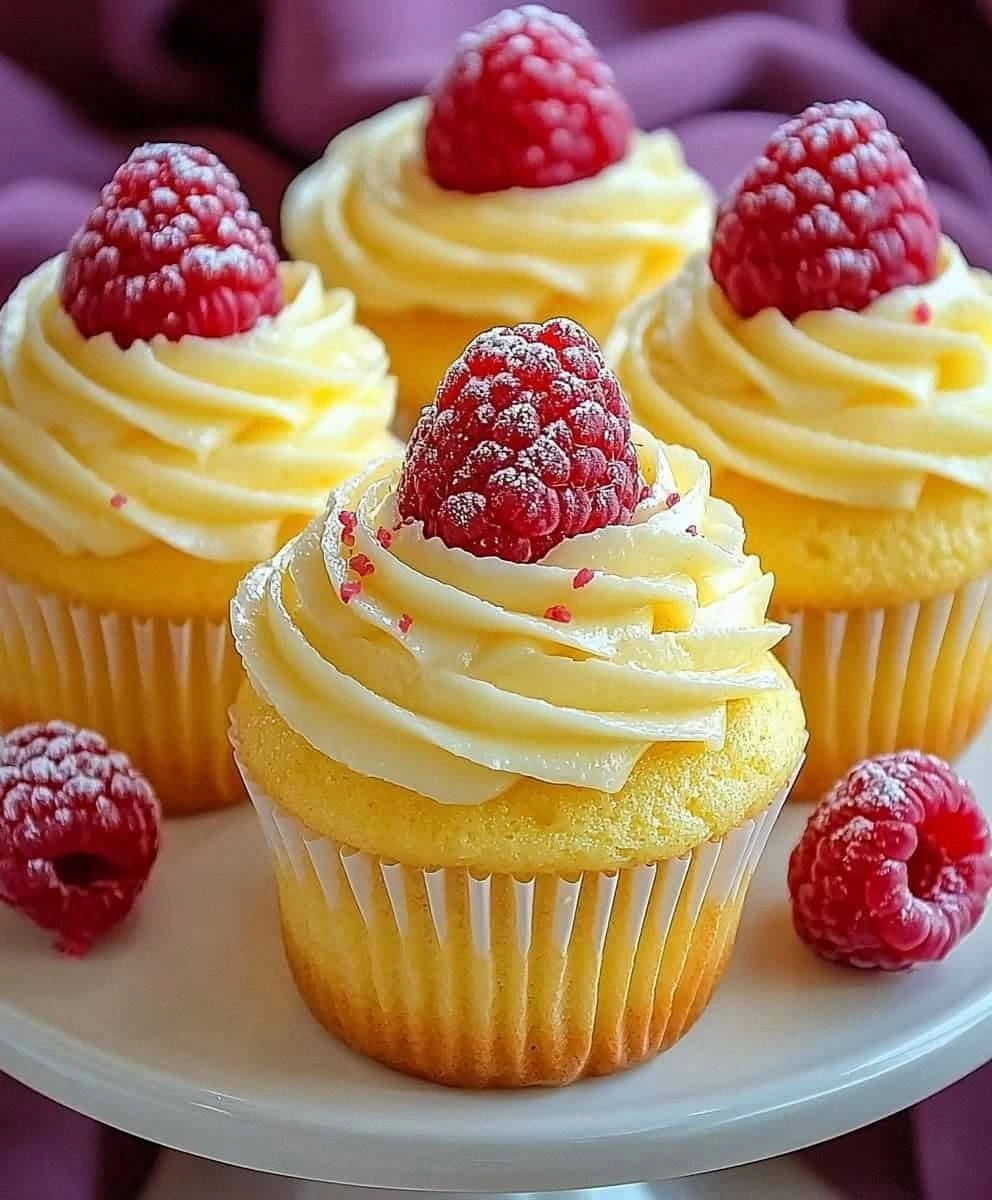
I'll be honest — I ate half the batch of these raspberry lemon cupcakes before anyone else got to try them. It wasn't my proudest moment, but when you pull these golden domes of citrus-scented perfection from the oven and that first burst of tangy lemon hits your nose, you'll understand completely. The raspberries bleed into the batter like tiny purple hearts, creating these gorgeous marbled pockets of fruit that burst with summer in every bite. I created this recipe after a spectacular failure at my niece's birthday party where my store-bought cupcakes could've doubled as paperweights, and I swore I'd never serve anything less than spectacular again.
Picture yourself pulling this out of the oven, the whole kitchen smelling like a lemon grove had a passionate affair with a raspberry patch. The aroma wraps around you like a warm hug from your favorite aunt — familiar yet exciting, comforting yet sophisticated. The first time I nailed this recipe, my neighbor knocked on my door at 7 AM asking what heavenly creation I was baking, and I ended up giving her three cupcakes just to get her to leave so I could frost the rest in peace. These aren't just cupcakes; they're tiny celebrations of everything that's right about baking, little individual cakes that somehow manage to be both elegant enough for a bridal shower and approachable enough for a Tuesday afternoon snack attack.
Most recipes get this completely wrong — they either make the cake too dense, killing the bright flavors, or they go overboard with lemon until it tastes like furniture polish. Here's what actually works: a delicate balance where the lemon enhances the raspberries rather than competing with them, creating this symphony of flavors that makes your taste buds do a happy dance. The secret lies in the technique of folding the berries at the exact right moment and using both juice and zest to create layers of citrus complexity that'll make you wonder why you ever settled for plain vanilla.
Okay, ready for the game-changer? We're going to whip the butter and sugar for a full five minutes — yes, you heard that right, set a timer and don't cheat — which incorporates air like nobody's business and creates this cloud-like crumb that melts on your tongue. Stay with me here — this is worth it. By the end of this recipe, you'll have a foolproof method for the most requested dessert in your arsenal, something that looks like it came from a fancy bakery but costs a fraction and tastes infinitely better because you made it with your own two hands.
What Makes This Version Stand Out
Tangy-Sweet Balance: Most bakers either go too tart or too sweet, but this recipe hits that perfect equilibrium where the lemon brightens the raspberries without making you pucker, and the sugar enhances rather than masks the fruit's natural flavors. It's like they were born to be together, creating this dance of sweet and tart that keeps you coming back for just one more bite.
Cloud-Soft Texture: The crumb on these cupcakes is so light and tender, it practically floats off the wrapper. We achieve this by using both buttermilk for tenderness and the perfect leavening ratio that creates lift without those unpleasant air pockets that make other cupcakes feel like you're eating sweet bread.
Berry Distribution Magic: Nobody wants a cupcake where all the fruit sank to the bottom in a soggy mess. Our technique ensures those raspberries stay suspended throughout, creating little jewels of fruit in every single bite rather than a disappointing fruit layer at the base.
Foolproof Frosting: The cream cheese lemon frosting is whipped to silky perfection, pipeable but not too soft, with just enough structure to hold beautiful swirls that don't weep or slide off in warm weather. It's the kind of frosting that makes people request the recipe before they even finish their first cupcake.
Make-Ahead Champion: These cupcakes actually taste better the second day as the flavors meld and deepen, making them perfect for entertaining. The unfrosted cakes freeze beautifully for up to three months, so you can always have dessert ready for unexpected guests or midnight cravings.
Crowd-Pleasing Powerhouse: I've served these at everything from baby showers to poker nights, and they're always the first dessert to disappear. Even people who claim they "don't like fruity desserts" go back for seconds, probably because the balance prevents any single flavor from becoming overwhelming.
Beginner-Friendly Technique: Despite looking like they came from a professional bakery, these use simple techniques that anyone can master. No special equipment needed beyond a hand mixer, and I've included every trick I learned from my pastry chef friend who charges $4 per cupcake for these exact ones.
Alright, let's break down exactly what goes into this masterpiece, because understanding your ingredients is what separates good bakers from legendary ones who get asked to bring dessert to every gathering for the rest of their lives.
Inside the Ingredient List
The Flavor Base
All-purpose flour forms the structural backbone of these cupcakes, but don't be tempted to substitute cake flour here — we need the protein content for structure since we're adding so much moisture from the fruit and lemon juice. The baking powder and baking soda work as a dynamic duo, with the powder providing lift and the soda neutralizing the acid from the lemon while adding extra tenderness. Salt might seem optional in a sweet recipe, but it's absolutely crucial — it amplifies all the other flavors and prevents your cupcakes from tasting flat and one-dimensional, like a pop song without bass.
The butter needs to be properly softened, not melted or straight from the fridge, because we're creaming it with sugar to trap air that'll give us lift. Use the good stuff here — European-style butter with higher fat content makes a noticeable difference in both flavor and texture. Granulated sugar doesn't just sweeten; it's essential for creating that tender crumb by interfering with gluten development, ensuring your cupcakes stay soft rather than turning into sweet rubber.
The Texture Crew
Buttermilk is the unsung hero here, bringing tanginess that complements the lemon while its acid tenderizes the gluten, creating that melt-in-your-mouth texture that makes people close their eyes when they take their first bite. If you don't have buttermilk, don't panic — add a tablespoon of lemon juice to regular milk and let it sit for five minutes, though the flavor won't be quite as complex. The eggs need to be at room temperature because cold eggs can cause the butter to seize, creating little lumps that never quite incorporate smoothly.
Fresh lemon juice is non-negotiable — that bottled stuff tastes like cleaning products and will ruin all your hard work. Buy actual lemons, zest them first (the zest contains the essential oils where all the perfume lives), then juice them. The zest of two lemons might seem excessive, but trust me on this — it's what makes people say "wow, these taste like summer" rather than just "nice cupcakes."
The Unexpected Star
Raspberries bring more than just fruitiness — their natural pectin helps thicken the batter slightly, and those tiny seeds provide pleasant textural contrast that prevents the cupcake from being all soft. Fresh raspberries work best, but frozen ones are fine if that's what you have — just don't thaw them first or they'll turn into purple mush that stains the whole batter. The key is using exactly one cup, no more, no less, because too many berries make the cupcakes gummy and prevent proper rising.
Here's what most recipes miss: raspberries and lemon share complementary flavor compounds that make each taste more intense when combined. It's like they complete each other, creating a third flavor that's more sophisticated than either could achieve alone. I dare you to taste this combination and not go back for seconds — the way the tart berries play against the bright citrus creates a complexity that makes vanilla seem boring by comparison.
The Final Flourish
The cream cheese for the frosting must be full-fat — I don't care about your diet right now, we're making magic here, and reduced-fat cream cheese contains stabilizers that prevent it from whipping properly. Let it soften on the counter for at least an hour because trying to beat cold cream cheese results in lumps that no amount of mixing will smooth out. The butter for the frosting should be slightly cooler than room temperature because we're creating an emulsion, and if the butter's too warm, the frosting will be soupy and impossible to pipe.
Powdered sugar needs to be sifted — yes, it's annoying, but those little lumps never dissolve and you'll end up with frosting that looks like it has cottage cheese curds. The additional lemon juice in the frosting brightens everything and ties the whole dessert together, while a pinch of salt prevents it from being cloyingly sweet. And now the fun part — we're making enough frosting to actually cover the cupcakes properly, not one of those stingy recipes that leaves you scraping the bowl and cursing.
Everything's prepped? Good. Let's get into the real action, where we transform these humble ingredients into something that'll make you the most popular person at any gathering.
The Method — Step by Step
- Preheat your oven to 350°F (175°C) and line a 12-cup muffin tin with paper liners — don't skip the liners or you'll have cupcakes that stick like they're glued in place. In a medium bowl, whisk together the flour, baking powder, baking soda, and salt until they're so well combined that you can't see any streaks of leavening agents. This step ensures even distribution because nobody wants to bite into a cupcake that's flat in one spot and tastes like a salt lick in another. Set this aside and try not to start snacking on it, though I won't judge if you do.
- In the bowl of a stand mixer (or using a hand mixer if you're working out your arm muscles), beat the softened butter and granulated sugar together on medium-high speed for exactly five minutes — set a timer and don't cheat even by thirty seconds. This is where the magic happens: the sugar crystals cut into the butter, creating thousands of tiny air pockets that'll give your cupcakes lift. The mixture should become pale, fluffy, and nearly double in volume, looking like pale yellow clouds. If you've ever wondered why bakery cupcakes are lighter than yours, this step is probably where you've been rushing.
- Beat in the eggs one at a time, making sure each is fully incorporated before adding the next — this prevents the batter from breaking and looking curdled. Add the vanilla extract and mix until combined, scraping down the sides and bottom of the bowl because butter has a sneaky way of hiding in corners. The batter should look smooth and glossy at this point, like thick cake batter rather than scrambled eggs. If it looks broken or curdled, don't panic — just beat it for another minute and it'll come back together.
- Reduce the mixer speed to low and add the flour mixture in three additions, alternating with the buttermilk in two additions, beginning and ending with the flour. This isn't just being fancy — it prevents overmixing which develops gluten and makes tough cupcakes. Mix each addition just until combined before adding the next, and stop as soon as you don't see dry flour. The batter will be thick and luxurious, like the consistency of Greek yogurt, and that's exactly what you want.
- Now here's the crucial part: remove the bowl from the mixer and gently fold in the lemon juice and zest using a rubber spatula. The acid will start reacting with the baking soda immediately, so work quickly but gently to maintain all that air you just beat into the butter. Fold from the bottom up, turning the bowl as you go, until the zest is evenly distributed. The batter should smell like you've been transported to a lemon grove in full bloom, and you'll be tempted to taste it raw — resist, or you'll eat it all before it becomes cupcakes.
- Gently fold in the raspberries using the same technique, being careful not to crush them into purple streaks. You want them whole or halved at most, creating those gorgeous pockets of fruit that'll make people think you're a professional baker. If you're using frozen berries, add them straight from the freezer — thawing makes them mushy and turns your batter gray. Stop folding as soon as they're distributed; overmixing here leads to tough cupcakes with sad, deflated berries.
- Use a large cookie scoop or spoon to divide the batter evenly among the muffin cups, filling each about 3/4 full. This isn't the time to eyeball it — uneven filling leads to uneven baking, with some cupcakes overcooked and others still raw in the middle. The batter should mound slightly above the rim of the paper liner, giving you those beautiful domed tops that look like they came from a bakery. Tap the pan gently on the counter to release any large air bubbles that might create holes in your finished cupcakes.
- Bake for 18-22 minutes, rotating the pan halfway through for even browning. They're done when the tops spring back lightly when touched and a toothpick inserted into the center comes out with just a few moist crumbs — not wet batter, but not completely clean either. The edges should be golden and just starting to pull away from the sides of the pan, and your kitchen should smell like a French patisserie. Don't open the oven door for the first 15 minutes or your cupcakes might collapse like a house of cards in a windstorm.
- Cool the cupcakes in the pan for 5 minutes — no more, no less — then transfer to a wire rack to cool completely. This brief rest allows the structure to set so they don't fall apart when you move them, but leaving them longer steams the bottoms and creates soggy cupcakes. The cooling process is crucial because frosting warm cupcakes is like trying to spread butter on toast fresh from the toaster — it just melts into a sad, runny mess. That sizzle when they hit the cooling rack? Absolute perfection.
- While the cupcakes cool, make the frosting by beating the cream cheese and butter together until completely smooth and fluffy, about 3 minutes. Add the powdered sugar gradually to avoid the snowstorm effect that leaves your kitchen looking like a blizzard hit. Beat in the lemon juice, zest, vanilla, and salt until the frosting is light and spreadable, tasting as you go because lemons vary in tartness and you might need to adjust. The frosting should be thick enough to hold peaks but soft enough to pipe — if it's too stiff, add a teaspoon of milk; too soft, refrigerate for 15 minutes.
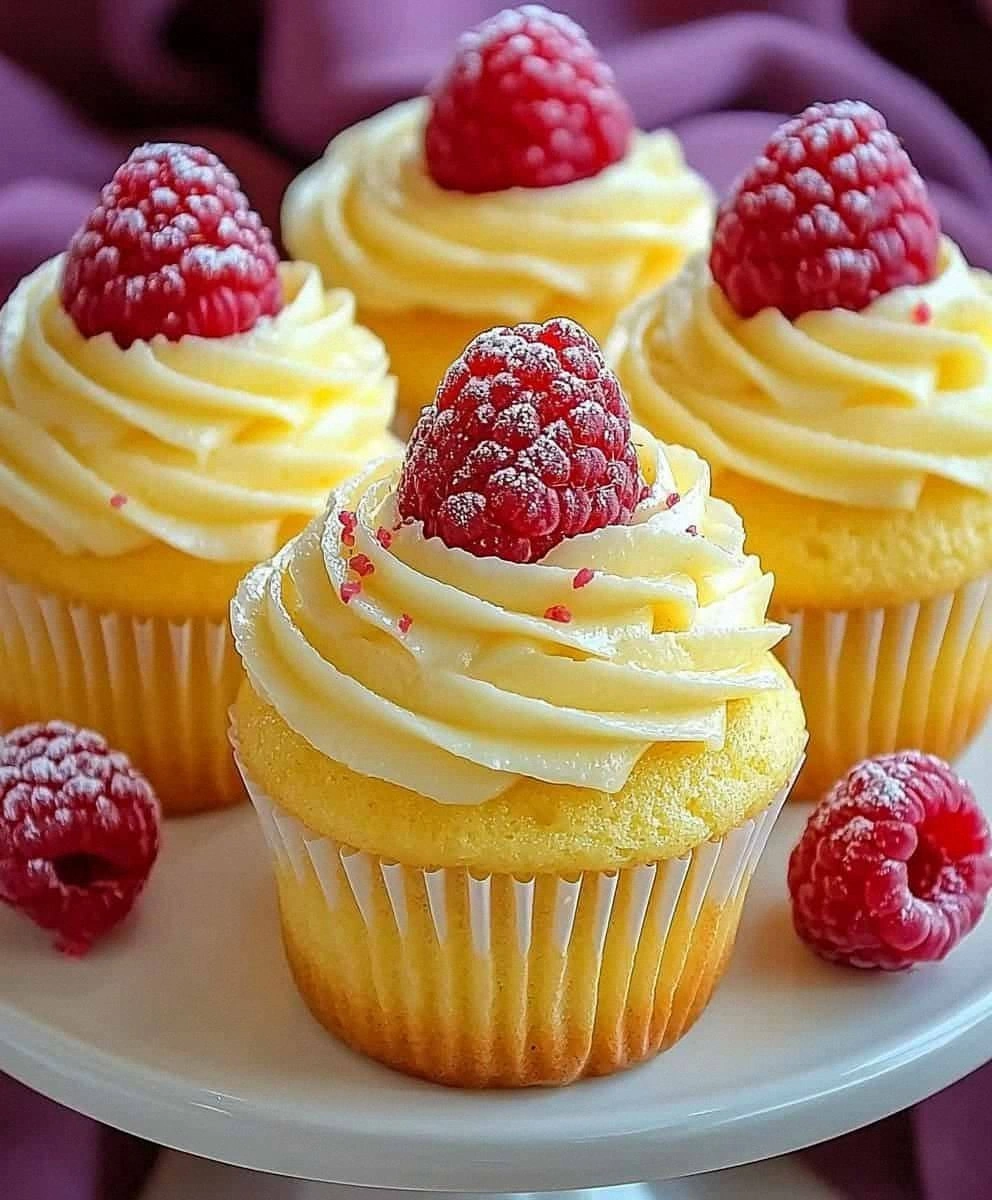
- Frost the completely cooled cupcakes using a piping bag fitted with a large star tip, or simply spread with an offset spatula if you're going for a more rustic look. Garnish with fresh raspberries, lemon zest, or thin lemon slices just before serving — add them too early and the berries bleed and the zest dries out. Store in an airtight container in the refrigerator for up to 3 days, but let them come to room temperature for 30 minutes before serving because cold temperatures mute flavors and nobody wants that.
That's it — you did it. But hold on, I've got a few more tricks that'll take this to another level and ensure your cupcakes become legendary among your friends and family.
Insider Tricks for Flawless Results
The Temperature Rule Nobody Follows
Your ingredients need to be at the right temperature, and I cannot stress this enough — cold eggs and butter don't incorporate properly, leading to dense, heavy cupcakes that taste like sweet bricks. Take everything out of the refrigerator 30-45 minutes before you start baking, unless you're in a hurry, in which case you can place cold eggs in warm (not hot) water for 10 minutes. The butter should be soft enough to leave an indentation when you press it, but not so warm that it's greasy or melting. If you've ever struggled with this, you're not alone — and I've got the fix: cut your butter into small cubes and it'll soften in about 15 minutes instead of an hour.
Why Your Nose Knows Best
Trust your sense of smell throughout this process — when the cupcakes are perfectly baked, your kitchen will smell like lemon cake with a hint of toasted butter, not raw flour or overly caramelized sugar. If they start smelling done before the timer goes off, check them regardless of what the clock says because ovens vary and your nose is more reliable than any timer. The same goes for the zest — if your lemons don't smell intensely fragrant when you zest them, they're past their prime and your cupcakes will taste flat. A friend tried skipping this step once — let's just say it didn't end well, and she ended up with cupcakes that tasted like lemon furniture polish rather than sunshine.
The 5-Minute Rest That Changes Everything
After you add the flour, let the batter rest for exactly five minutes before folding in the berries. This allows the flour to fully hydrate, preventing those tiny lumps that never quite bake out and create unpleasant flour pockets. During this rest, the baking powder starts activating, creating little bubbles that'll give you extra lift without making the cupcakes taste metallic. Use this time to prepare your muffin tin and rinse your berries, working efficiently so you're ready to go when the timer dings. This next part? Pure magic — the batter will thicken slightly and become more cohesive, making it easier to fold in the fruit without deflating all the air you worked so hard to incorporate.
The Paper Liner Secret
Use high-quality paper liners, not the cheap ones from the dollar store that stick like they're glued on and tear your cupcakes apart when you try to remove them. The best ones are grease-proof and release cleanly, leaving your cupcakes looking professional rather than mangled. If you only have cheap liners, spray them lightly with nonstick cooking spray — yes, even though they're paper — because nobody wants to lose half their cupcake to the wrapper. And now the fun part: double up the liners for special occasions, using a decorative outer liner that stays pristine while the inner one does all the work.
The Frosting Consistency Sweet Spot
Cream cheese frosting can be finicky — too cold and it's impossible to pipe, too warm and it slides off the cupcakes like melting snow. The sweet spot is when it holds soft peaks that slowly relax, not stiff peaks like meringue or loose puddles like soup. If you overbeat it, the frosting becomes airy and grainy; underbeat and it's dense and heavy. I dare you to taste this and not go back for seconds — when it's just right, it should taste like lemon cheesecake in frosting form, with a texture that's both stable and cloud-like.
Creative Twists and Variations
This recipe is a playground. Here are some of my favorite ways to switch things up:
Blackberry Lime Cupcakes
Swap the raspberries for blackberries and the lemon for lime, creating a deeper, more mysterious flavor profile that tastes like summer evenings on a porch. Blackberries bring an earthy sweetness that pairs beautifully with the bright lime, and the purple color is absolutely stunning. Reduce the sugar by 2 tablespoons because blackberries are naturally sweeter than raspberries, and add an extra teaspoon of lime zest to really make the citrus pop.
Strawberry Balsamic Version
Replace the raspberries with diced strawberries and add 1 tablespoon of good balsamic vinegar to the batter — trust me on this one, the vinegar enhances the strawberry flavor without making the cupcakes taste like salad dressing. The balsamic adds complexity that makes people ask "what's that amazing flavor?" without being able to pinpoint it. Top with a strawberry buttercream instead of lemon cream cheese for a completely different but equally addictive treat.
Blueberry Orange Sunshine Cupcakes
Use blueberries and orange zest/juice instead of raspberry/lemon, creating a flavor combination that tastes like breakfast in cupcake form. Blueberries hold their shape better during baking, giving you those perfect berry pockets without the bleeding that happens with raspberries. Add a teaspoon of cinnamon to the batter for warmth that makes these taste like blueberry muffins elevated to dessert status.
Peach Ginger Summer Cakes
Dice fresh peaches and fold them in with 1 tablespoon of freshly grated ginger, creating a sophisticated flavor that tastes like southern hospitality in cupcake form. Reduce the lemon juice by half and add a teaspoon of vanilla to complement the peaches. These are especially amazing in late summer when peaches are at their peak, and the ginger adds just enough spice to make them memorable.
Raspberry Lemon Lavender
Add 1 teaspoon of culinary lavender to the batter for a Provencal twist that transports you to the south of France with every bite. The lavender should be subtle, not like eating perfume, so start with less and add more to taste. This version is particularly stunning for bridal showers or afternoon tea parties where you want something that looks and tastes special.
Mixed Berry Medley
Use a cup of mixed berries — raspberries, blueberries, and blackberries — for a more complex flavor that's never the same twice. The different berries bring varying levels of sweetness and tartness, creating a symphony of flavors that keeps you guessing. Each bite tastes slightly different depending on which berry combination you get, making these the most interesting cupcakes you'll ever eat.
Storing and Bringing It Back to Life
Fridge Storage
Store unfrosted cupcakes in an airtight container at room temperature for up to 2 days — the refrigerator actually dries them out faster due to the starch retrograding at cold temperatures. If you must refrigerate them (because of the cream cheese frosting), place them in a container with a tight-fitting lid and bring them to room temperature for 30 minutes before serving. The cold mutes flavors significantly, and nobody wants to serve disappointing cupcakes that taste like the refrigerator. Add a slice of bread to the container — it'll absorb excess moisture and prevent the cupcakes from drying out.
Freezer Friendly
These cupcakes freeze beautifully for up to 3 months, making them perfect for meal prep or emergency dessert situations. Wrap each unfrosted cupcake individually in plastic wrap, then place in a freezer bag with as much air removed as possible. Freeze the frosting separately in a freezer-safe container, then thaw both overnight in the refrigerator before assembling. Don't frost them before freezing unless you enjoy grainy, weeping frosting that separates into an unappetizing mess. The best part? They taste almost identical to fresh once properly thawed, so you can always have dessert ready for unexpected guests.
Best Reheating Method
If your cupcakes have been refrigerated and taste a bit stale, revive them by wrapping in a damp paper towel and microwaving for 8-10 seconds — just enough to warm them slightly without melting the frosting. This creates a gentle steam that restores moisture without making them soggy. For unfrosted cupcakes, you can also warm them in a 300°F oven for 5 minutes, which refreshes them beautifully. Add a tiny splash of water before reheating — it steams back to perfection and makes day-old cupcakes taste bakery-fresh again.