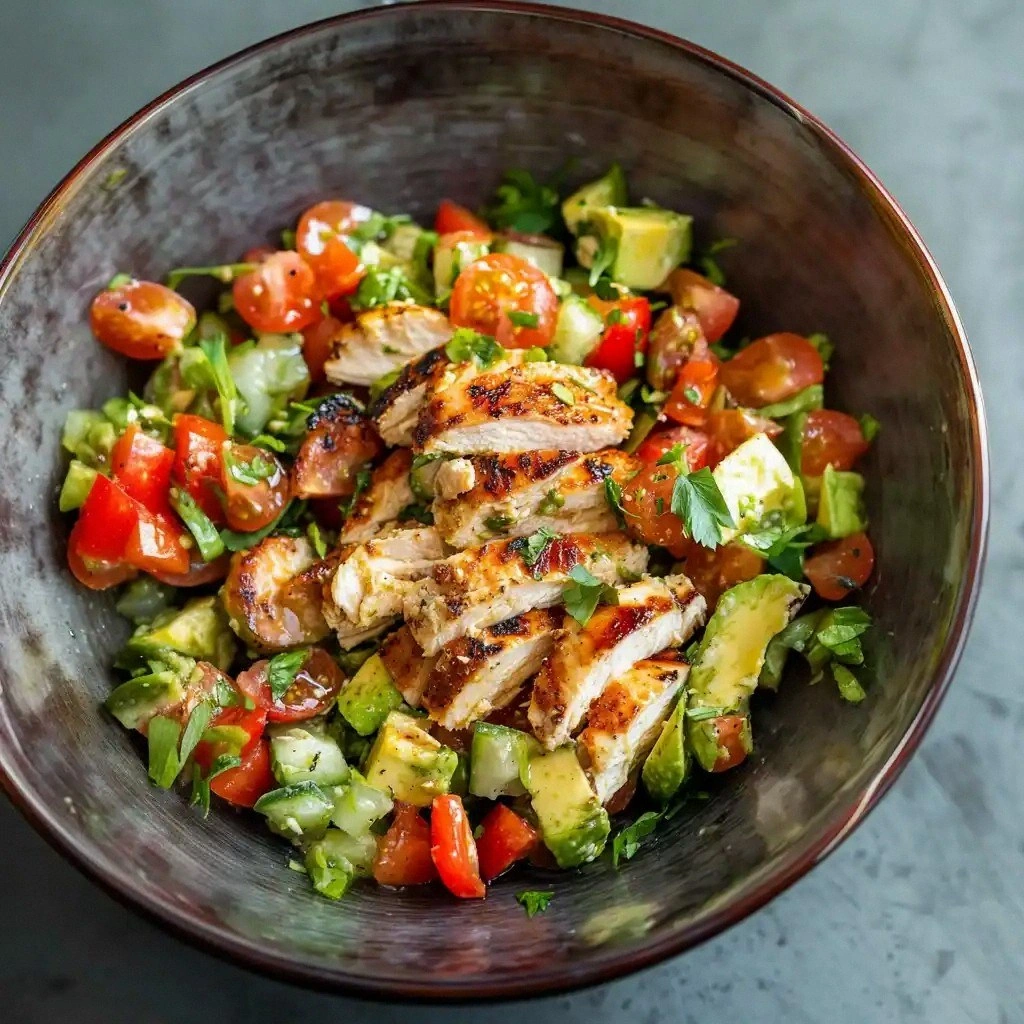
I was staring at a burnt skillet, the remnants of what was once a perfectly seared chicken breast now a charred, bitter mess. I could have sworn my culinary destiny was sealed that night, but a friend dared me to cook a Mediterranean chicken stir‑fry that would make the smoke alarm applaud. The challenge was simple: turn a disaster into a dish that sings with sunshine‑kissed flavors and a satisfying crunch. I laughed, grabbed my apron, and set the kitchen on fire—literally, in the best way possible.
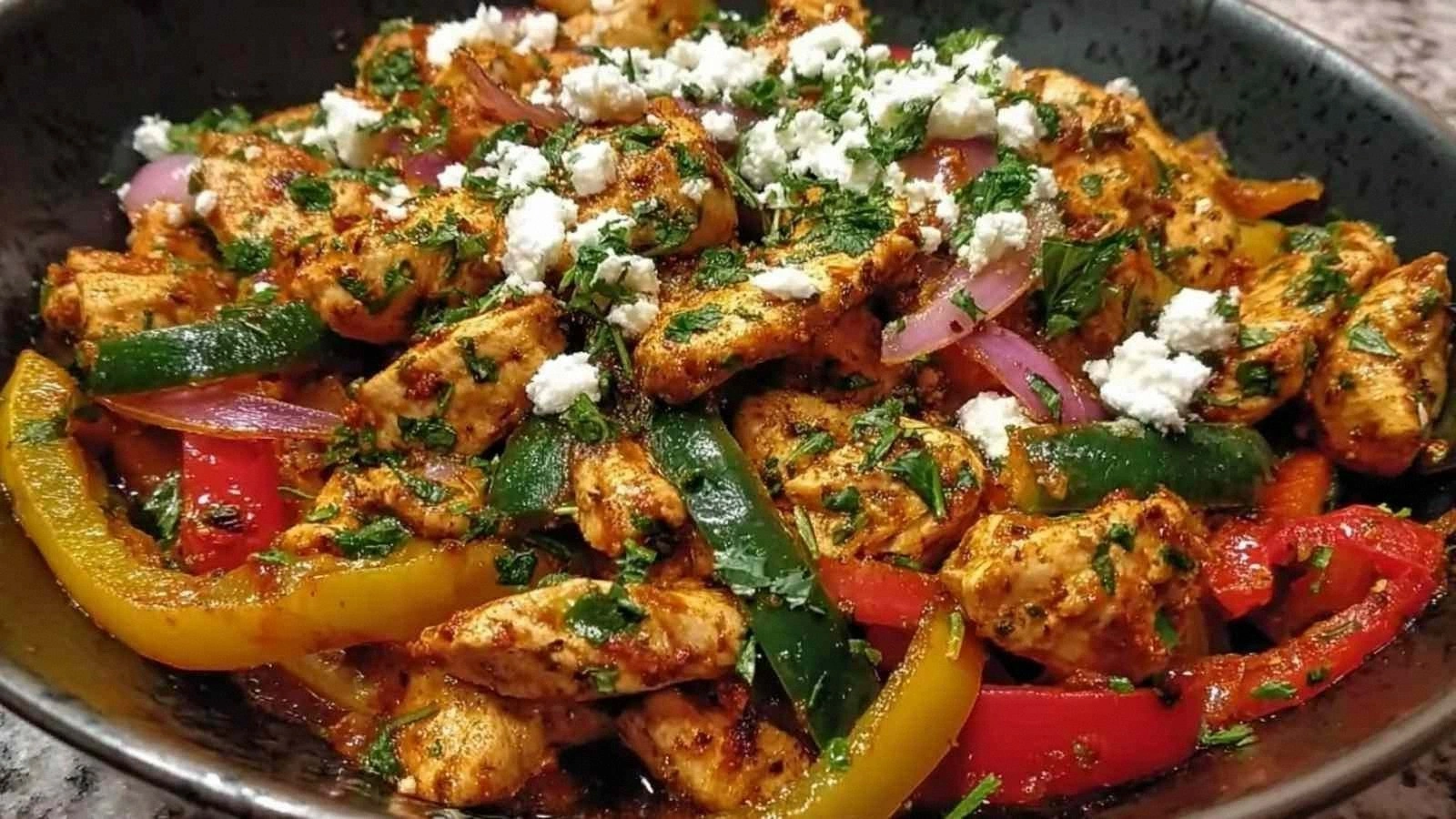
The moment the olive oil hit the hot pan, it hissed like a thousand tiny fireworks, and the aroma of garlic and oregano began a slow, seductive dance. The sizzling sound was a promise that the vegetables were about to transform from dull to dazzling. I could almost taste the tang of sun‑dried tomatoes mingling with the briny bite of kalamata olives. The sight of bright red bell peppers and emerald zucchini cutting into the pan felt like a painter's palette coming to life. I felt the heat on my fingers, the rhythm of the stove, and the anticipation of the first bite.
This version stands apart because it marries the classic Mediterranean staples with the convenience of a stir‑fry, creating a dish that is as quick as it is unforgettable. I’ve stripped away the fuss of marinating and instead rely on a single, bold sauce that coats the chicken like velvet, leaving each bite juicy and aromatic. The result is a plate that balances savory, sweet, and salty notes without overwhelming the palate. It’s a dish that feels like a holiday in your own kitchen, no matter the season. And the best part? It’s so simple that even the most kitchen‑anxious can master it.
But here’s the twist: I’ve incorporated a splash of lemon juice at the very end to lift the flavors and give that final, bright zing that makes this dish feel fresh and alive. I dare you to taste this and not go back for seconds—trust me, it will change your perception of stir‑fry forever. I’ll be honest—I ate half the batch before anyone else got a bite. Most recipes get this completely wrong, but here’s what actually works: a quick sear, a burst of aromatics, and a finishing flourish of citrus.
Picture yourself pulling this out of the pan, the whole kitchen smelling incredible, the steam curling like a fragrant cloud. The colors are so vibrant that even the most color‑blind eye will be dazzled. The sound of the sizzling vegetables is the soundtrack to a meal that feels like a celebration. And the texture—crispy edges that shatter like thin ice—makes every forkful an adventure. Let me walk you through every single step—by the end, you’ll wonder how you ever made it any other way.
What Makes This Version Stand Out
- Flavor: The combination of olive oil, sun‑dried tomatoes, and fresh herbs delivers a depth that feels both rustic and refined. Each ingredient sings without drowning the others, creating a harmonious chorus.
- Texture: The chicken remains tender inside while the vegetables develop a crisp‑tender bite that’s almost cinematic. The contrast keeps the dish exciting from the first bite to the last.
- Speed: With a single pan and a handful of ingredients, you’re done in under 45 minutes. No pre‑marination, no slow cooking, just pure, efficient flavor.
- Visual Appeal: The bright reds, greens, and golden olive oil create a plate that looks as good as it tastes. It’s the kind of dish that makes your Instagram feed jealous.
- Crowd‑Pleaser: Friends will rave about the unique twist on a familiar flavor profile, and family will ask for the recipe after every meal.
- Ingredient Quality: Using high‑quality olive oil and fresh, seasonal produce elevates the dish from ordinary to extraordinary.
- Versatility: It can be served over rice, quinoa, or even a crisp bed of greens, making it a flexible main or a hearty side.
- Make‑Ahead Potential: The flavors only deepen after a short rest, so you can prep it the night before and reheat it to perfection.
Inside the Ingredient List
The Flavor Base
Extra virgin olive oil is the canvas that brings everything together. It’s not just a fat; it’s a flavor carrier that lifts the subtle sweetness of the tomatoes and the sharpness of the olives. A splash of lemon juice at the end provides a bright counterpoint that cuts through the richness. If you skip the lemon, the dish will feel flat and heavy.
Sun‑dried tomatoes add a concentrated burst of umami that’s almost like a savory chocolate. Their chewy texture contrasts beautifully with the tender chicken. When you use fresh sun‑dried tomatoes, watch for their natural oil; if it’s too oily, drain it lightly to keep the sauce from becoming greasy. A good swap is to use a handful of roasted red peppers, which give a smoky sweetness.
Dried oregano, basil, and thyme create a fragrant bouquet that reminds you of Mediterranean breezes. These herbs are dried, so they’re more potent than fresh; use them sparingly to avoid bitterness. If you’re in a pinch, fresh herbs can replace them, but you’ll need to double the quantity to match the intensity.
The Texture Crew
Chicken breasts, sliced into bite‑sized strips, are the star protein. They cook quickly and hold their juiciness when seared at high heat. If you prefer a leaner cut, use chicken thighs, but be prepared for a slightly richer flavor.
Zucchini and bell peppers provide the crunch that balances the soft chicken. Their natural sweetness brightens the dish, while their fibrous texture adds a satisfying bite. Cutting them into uniform pieces ensures even cooking and a cohesive look.
Red onion adds a subtle sharpness that caramelizes when cooked just right. It contributes both flavor and a pop of color. If you’re sensitive to onion, try a milder white onion or a small amount of shallot.
Cherry tomatoes burst with juice when heated, releasing a sweet acidity that cuts through the oil. They soften quickly, so add them towards the end to maintain their bite. If you’re out of cherry tomatoes, quarter regular tomatoes, but be aware they may release more liquid.
The Unexpected Star
Garlic, minced finely, releases its aroma immediately upon contact with hot oil, creating an aromatic base that lingers in every bite. Over‑sautéing garlic can make it bitter, so watch the timing closely. If you prefer a milder garlic flavor, use garlic powder or a small amount of garlic paste.
Fresh parsley adds a bright, herbal finish that lifts the dish. It also provides a splash of color that makes the plate feel lively. If you’re allergic to parsley, a pinch of dried parsley or a sprinkle of cilantro will work as a substitute.
The Final Flourish
Feta cheese, crumbled, offers a creamy, tangy contrast that melts slightly into the sauce, creating a silky finish. It also adds a salty punch that balances the sweetness of the tomatoes. If you’re lactose intolerant, try a vegan feta or a sprinkle of nutritional yeast for a similar umami depth.
A squeeze of fresh lemon juice brightens every component, providing a citrusy zing that lifts the dish from ordinary to spectacular. The acidity also helps to tenderize the chicken, keeping it juicy and flavorful. If you don’t have fresh lemons, a splash of white wine vinegar works as a close substitute.
Everything’s prepped? Good. Let’s get into the real action...
The Method — Step by Step
- Heat a large skillet or wok over medium‑high heat until it’s shimmering. Add 2 tablespoons of olive oil, letting it swirl around the pan. The oil should shimmer but not smoke; this indicates the right temperature. If it starts to darken, lower the heat slightly. This is the moment of truth: the pan must be hot enough to sear the chicken instantly.
- Season the chicken strips with salt, black pepper, and a pinch of dried oregano. Toss them in the oil until they’re coated evenly. The seasoning should cling to each piece, ensuring flavor in every bite. Keep the chicken moving to prevent sticking. Once the chicken starts to brown, you’re ready for the next step.
- Sear the chicken for 3–4 minutes, flipping once, until it’s golden on all sides. The edges should develop a slight crust that’s firm yet tender inside. Avoid crowding the pan; if necessary, cook in batches. This step locks in juices and builds a savory foundation for the sauce.
- Push the chicken to one side of the pan and add the minced garlic, sautéing for 30 seconds until fragrant. The garlic should turn a golden hue, not brown. This quick burst releases its essential oils, which will permeate the entire dish. Once the garlic is ready, stir everything together.
- Add the sliced zucchini, bell peppers, and onion to the pan. Stir-fry for 3 minutes, letting the vegetables soften but still retain their snap. The onions should become translucent, and the peppers should start to brown slightly. This is where the vegetables start to mingle with the chicken’s flavor.
- Pour in the cherry tomatoes and sun‑dried tomatoes, then sprinkle in the dried basil, thyme, and a dash of salt. Stir everything so the tomatoes coat the vegetables evenly. The tomatoes should release their juices, forming a light sauce. Watch the mixture simmer; it should be fragrant and slightly thickened.
- Fold in the kalamata olives, allowing their briny flavor to permeate the dish. The olives should be evenly distributed, giving each bite a burst of Mediterranean depth. Keep the heat medium to prevent the olives from becoming mushy.
- Reduce the heat to low and let the stir‑fry simmer for 5 minutes. This allows the flavors to marry and the chicken to finish cooking. The sauce should thicken slightly, coating the chicken and vegetables like a glossy glaze. If the mixture looks too dry, add a splash of water or broth.
- Squeeze the juice of one lemon over the stir‑fry, stirring quickly to combine. The acidity brightens the dish and helps balance the olive oil’s richness. The lemon should give a fresh, zesty aroma that signals the dish is ready. If you prefer a sweeter note, add a pinch of sugar.
- Crumbled feta cheese is added last, allowing it to melt slightly into the sauce. Stir gently to distribute the cheese without fully melting it. The feta should remain slightly chunky, providing pockets of creamy tang. This step adds a luxurious finish.
- Finally, sprinkle the fresh parsley over the top and give one last gentle toss. The parsley adds a burst of color and a fresh herbal note. The dish should look vibrant and ready to serve. Remove from heat immediately to preserve the crispness.
- Serve the stir‑fry hot over a bed of fluffy rice, quinoa, or a simple green salad. The grains will soak up the flavorful sauce, while the salad adds a crisp contrast. Pair it with a chilled glass of white wine or sparkling water for a complete Mediterranean experience.
- If you’re feeling adventurous, drizzle a little extra virgin olive oil on top for a glossy finish. The oil will enhance the dish’s richness and add a subtle fruity note. Don’t forget to garnish with a few extra olives for an extra pop of color.
- Take a moment to admire your creation. The aroma, color, and texture combine into a dish that feels like a vacation. The first bite will transport you to a sun‑lit terrace in Greece. The second will remind you why this recipe is hands down the best version you'll ever make at home.
That’s it—you did it. But hold on, I’ve got a few more tricks that’ll take this to another level.
Insider Tricks for Flawless Results
The Temperature Rule Nobody Follows
Many cooks lower the heat too early, causing the chicken to steam instead of sear. Keep the skillet at medium‑high until the first sear is complete. This creates a caramelized crust that locks in juices. Once the chicken is browned, reduce the heat for the sautéed vegetables. The contrast in heat levels preserves texture.
Why Your Nose Knows Best
When the garlic and onions start to turn golden, that’s the scent of perfection. A sharp, sweet aroma signals that the aromatics have released their essential oils. If you’re unsure, sniff the pan; it should smell like a summer garden. Trust your nose over the clock—it’s a reliable guide.
The 5‑Minute Rest That Changes Everything
After you finish cooking, let the dish rest for five minutes before serving. The rest allows the flavors to meld, and the residual heat finishes cooking the chicken. The rest also lets the sauce thicken slightly, creating a more cohesive bite. It’s a small step that makes a big difference.
The Secret to Juicy Chicken
Pat the chicken dry before seasoning. Moisture on the surface prevents searing and can lead to a soggy texture. Use a paper towel to blot the strips, then season and sear immediately. The result is a golden crust and a succulent interior.
The Olive Oil Trick
Use a high‑smoke‑point olive oil for the initial sear, then finish with a drizzle of extra virgin for flavor. This combination gives you the best of both worlds: a sturdy sear without burning, and a final burst of fruity aroma. If you’re on a budget, a neutral oil works for the sear, but add extra virgin at the end to preserve authenticity.
The Lemon Timing
Adding lemon juice too early can cause the sauce to become thin. Wait until the vegetables are almost cooked, then squeeze the lemon. The acidity will brighten without diluting the sauce. If you prefer a tangier bite, add a second squeeze after plating.
The Veggie Balance
Cut all vegetables to uniform sizes to ensure even cooking. Uneven pieces can lead to some parts being overcooked while others remain raw. Use a sharp knife and a cutting board to keep your prep efficient. This small step saves you from uneven textures.
The Heat Management
Maintain a consistent medium‑high heat for the initial sear, then reduce to medium for the sauté. This prevents the garlic from burning and the vegetables from becoming mushy. If the pan starts to smoke, lower the heat slightly and let it settle. A steady heat is the secret to a perfect stir‑fry.
The Finish with Feta
Crumbled feta should be added last to preserve its texture. If you add it too early, it can melt into the sauce and lose its distinct bite. Sprinkle it over the top, then give a gentle toss to distribute. The result is pockets of creamy tang in each bite.
The Final Garnish
A sprinkle of fresh parsley adds color and a fresh herbal note. It also balances the richness of the olive oil. If you’re feeling fancy, add a few pomegranate seeds for a pop of sweetness. The garnish should be a finishing touch, not a distraction.
The Serving Suggestion
Serve immediately while the vegetables are still crisp. If you’re plating for a crowd, keep the dish warm in a low‑heat oven until ready to serve. This keeps the chicken juicy and the vegetables crisp. A quick stir before serving re‑activates the flavors.
Creative Twists and Variations
This recipe is a playground. Here are some of my favorite ways to switch things up:
Spicy Greek Twist
Add a pinch of red pepper flakes during the sauté. The heat will contrast the feta’s creaminess and elevate the dish’s profile. Serve with a dollop of tzatziki for a cooling counterbalance. The result is a fiery Mediterranean experience.
Mediterranean Pasta Fusion
Swap the rice for penne or fusilli, tossing the pasta with the stir‑fry at the end. The pasta will soak up the sauce, creating a hearty, comforting meal. Add a splash of pasta water to thin the sauce if needed. This version feels like a pasta bake with a Mediterranean twist.
Vegetarian Delight
Replace chicken with firm tofu, pressing it to remove excess moisture before searing. The tofu will absorb the herbs and lemon, becoming a flavorful protein alternative. Add a handful of spinach at the end for extra greens. This version keeps the spirit intact while offering a plant‑based option.
Greek Salad Upgrade
Serve the stir‑fry over a bed of diced cucumbers, tomatoes, and feta, then drizzle with olive oil and lemon. The salad becomes a robust, protein‑rich lunch that’s both refreshing and satisfying. The extra olives and herbs enhance the flavor profile. This variation is perfect for a light, yet filling, meal.
Pesto Infusion
Swirl in a spoonful of basil pesto at the end for a green, aromatic finish. The pesto will complement the feta and lemon, creating a harmonious blend of flavors. Use the pesto to coat the vegetables, then finish with a sprinkle of pine nuts. The dish feels both fresh and indulgent.
Almond Crunch
Toast sliced almonds in a dry skillet until golden, then sprinkle them over the finished dish. The crunch adds texture and a nutty aroma that pairs well with the olives. If you’re allergic, try pumpkin seeds instead. This little tweak brings a satisfying bite.
Breakfast Edition
Serve the stir‑fry over a bed of scrambled eggs, topped with a fried egg for a protein‑packed breakfast. The eggs absorb the sauce, creating a savory, comforting dish. Add a dash of hot sauce for extra zing. This variation turns the recipe into a hearty morning meal.
Storing and Bringing It Back to Life
Fridge Storage
Cool the stir‑fry completely before refrigerating in an airtight container. It will keep for up to 3 days, maintaining its vibrant colors and flavors. When reheating, add a splash of water or broth to loosen the sauce. This trick prevents the dish from drying out.
Freezer Friendly
Pack the dish in a freezer‑safe container, leaving a small headspace for expansion. Freeze for up to 2 months. Thaw overnight in the refrigerator before reheating. This method preserves the texture and flavor, making meal prep a breeze.
Best Reheating Method
Reheat gently in a skillet over low heat, stirring occasionally. Add a small splash of water to keep the sauce moist. Once the dish is heated through, finish with a squeeze of fresh lemon to restore brightness. Avoid microwaving, as it can make the vegetables soggy.
Add a tiny splash of water before reheating — it steams back to perfection, re‑awakening the flavors you love. The final dish should feel fresh, just as if it were made that day. Enjoy!