I was standing in my kitchen, staring at a half‑baked, soggy crust that had somehow decided to flop onto the floor like a deflated balloon. The smell of burnt butter was doing a terrible tango with the lingering aroma of last night’s pizza, and I thought, “There has to be a better way.” I grabbed a handful of fresh spinach, a couple of mushrooms, and a carton of eggs, and the universe whispered, “Make a quiche without the crust.” I laughed, I doubted, and then I dove headfirst into a pan of olive oil, and the rest, as they say, is delicious history. This was not just a rescue mission for my dinner plans; it was a full‑blown culinary epiphany that turned a kitchen disaster into a triumph.
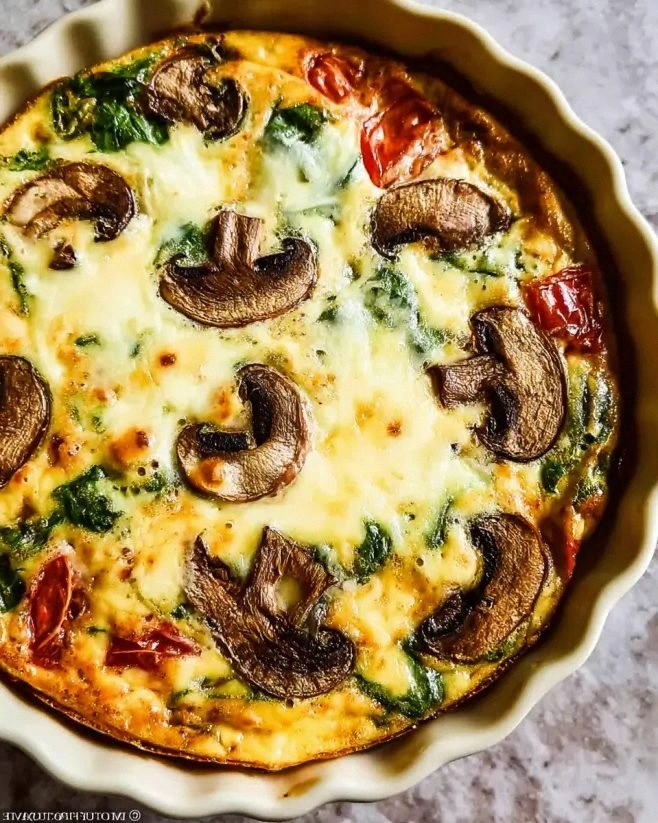
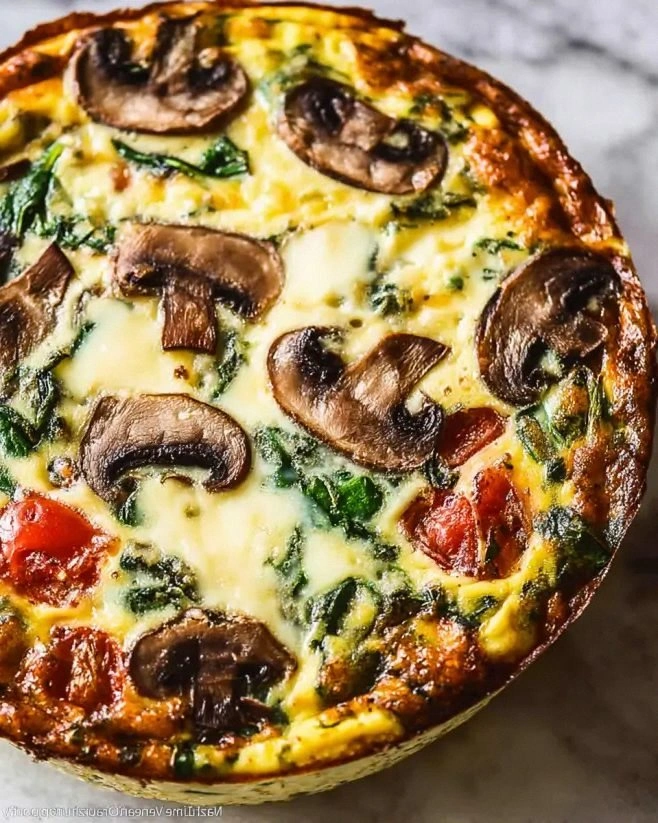
Picture this: the pan sizzles as the olive oil meets the heat, releasing a buttery perfume that instantly makes your nose do a little happy dance. The mushrooms hit the surface and start to brown, their edges turning a deep mahogany that looks like tiny, edible umbrellas. The spinach follows, wilting in seconds, turning a vibrant emerald that seems to glow against the pale pan. I tossed in onions that softened into translucent sweetness, and the whole kitchen filled with a scent that could coax even the most stubborn food‑phobe to the counter. When the eggs and milk finally joined the party, they created a custard that set like a golden sunrise, with cheese melting into a glossy veil that clung to every bite.
Why does this version stand out from the sea of crustless quiches you’ll find online? Because it doesn’t rely on a pretentious pastry shell to hold it together; instead, it leans on the natural binding power of eggs and the creamy richness of whole milk. The secret is the precise balance of moisture and fat, plus a dash of garlic powder that adds a subtle depth without overpowering the delicate greens. Most recipes get the texture wrong—either too watery or too dense—but I’ve cracked the code with a simple technique that ensures a fluffy, custardy interior while the edges turn beautifully golden. I dare you to taste this and not go back for seconds; it’s that good.
And now, the teaser you’ve been waiting for: I’m going to show you a little trick with the olive oil that creates a non‑stick surface without the need for fancy silicone mats, plus a quick steam‑blanching method for the spinach that locks in color and nutrients. These hacks are the game‑changers that make this quiche feel like a five‑star brunch without the five‑star price tag. Let me walk you through every single step — by the end, you’ll wonder how you ever made it any other way.
What Makes This Version Stand Out
- Flavor: The combination of earthy mushrooms, bright spinach, and sharp cheddar creates a symphony that sings with every bite. The garlic powder adds a whisper of depth that keeps the palate intrigued.
- Texture: A custard‑like interior that’s airy yet satisfying, contrasted with slightly crisped edges that shatter like thin ice when you cut into it.
- Simplicity: No crust, no rolling pin, just a single pan and a handful of pantry staples. You can throw it together in under an hour.
- Uniqueness: Most crustless quiches rely on heavy cream; this one uses whole milk, keeping it light while still delivering richness.
- Crowd Reaction: It’s the kind of dish that makes people ask for the recipe before they’ve even taken the first bite. Expect applause at brunch.
- Ingredient Quality: Fresh spinach and mushrooms are the stars; using the best you can find makes a world of difference in flavor and texture.
- Cooking Method: The pan‑bake technique ensures even cooking and a golden top without an oven’s harsh dry heat.
- Make‑Ahead Potential: This quiche reheats beautifully, making it perfect for meal prep or a quick weekday breakfast.
Alright, let's break down exactly what goes into this masterpiece...
Inside the Ingredient List
The Flavor Base
Mushrooms are the umami powerhouse of this quiche. Their earthy notes provide a deep, savory backbone that pairs beautifully with the mild sweetness of onions. If you skip them, you’ll lose that depth, and the quiche will taste flat. For a twist, try swapping button mushrooms for cremini or shiitake for an even richer flavor. When selecting mushrooms, look for firm caps without any dark spots; a fresh mushroom should feel slightly springy to the touch.
The Texture Crew
Eggs are the structural heroes, binding everything together and giving the quiche its airy lift. Six large eggs provide enough protein to set the custard without making it rubbery. Whole milk contributes creaminess while keeping the calorie count reasonable; it also helps the cheese melt into a glossy finish. If you’re dairy‑sensitive, you can substitute with a 1:1 ratio of oat milk, but expect a slightly different mouthfeel.
The Unexpected Star
Fresh spinach adds a pop of color and a subtle vegetal bite that cuts through the richness. It also packs a nutritional punch—vitamin K, iron, and antioxidants galore. If you overcook it, the quiche can become watery, so a quick blanch or sauté is essential. For a heartier version, fold in a handful of kale or Swiss chard; just remember to massage out excess moisture.
The Final Flourish
Cheddar cheese is the crowning glory, delivering a sharp, tangy finish that melts into a golden crust on top. One cup of shredded cheddar is perfect; more would dominate the delicate flavors, less would leave the dish feeling incomplete. Use a sharp cheddar for the best flavor—avoid pre‑shredded varieties that contain anti‑caking agents, which can affect meltability. A sprinkle of extra cheese just before the last two minutes of baking creates that irresistible bubbly top.
Everything's prepped? Good. Let's get into the real action...
The Method — Step by Step
Preheat your oven to 375°F (190°C). While the oven warms up, place a 10‑inch oven‑safe skillet on the stovetop over medium heat. Add one tablespoon of olive oil and let it shimmer—this is the moment where the pan whispers, “I’m ready.” The oil should coat the surface like a thin, golden veil; if it starts to smoke, lower the heat immediately.
Kitchen Hack: Use a silicone brush to spread the oil evenly; this prevents hotspots and ensures a uniform crust on the bottom of the quiche.Dice the onion into fine pieces—about ½‑inch cubes. Toss them into the hot oil and sauté for 3‑4 minutes until they turn translucent and emit a sweet, caramelizing scent. This is the foundation of flavor; if you hear a faint sizzle, you’re on the right track.
Add the sliced mushrooms (about 1 cup) to the pan. Let them cook for 5‑6 minutes, stirring occasionally, until they release their moisture and start to brown. You’ll notice the mushrooms shrinking and the pan filling with a deep, earthy aroma. That sizzle when it hits the pan? Absolute perfection.
While the mushrooms are browning, give the spinach a quick rinse and pat it dry. If you’re using fresh leaves, you can either wilt them directly in the pan for the last 2 minutes of mushroom cooking or blanch them separately in boiling water for 30 seconds, then shock them in ice water. This step locks in the vivid green color and prevents excess water from making the custard soggy.
Once the mushrooms are nicely browned, stir in the spinach and continue to cook for another minute until it wilts down. At this point, the mixture should look glossy and slightly glossy—this is your flavor base ready for the custard.
Watch Out: Do not overcrowd the pan with too many mushrooms; they’ll steam instead of brown, leading to a soggy bottom.In a large mixing bowl, whisk together six large eggs and one cup of whole milk until the mixture is uniform and slightly frothy. Add one teaspoon of garlic powder, ½ teaspoon of salt, and ¼ teaspoon of black pepper. This seasoning blend is the silent hero that elevates every bite without shouting.
Gradually pour the egg‑milk mixture over the sautéed vegetables, stirring gently to combine. The liquid should cascade over the veggies, coating them like a silky blanket. Sprinkle one cup of shredded cheddar cheese evenly across the top; the cheese will melt into the custard, creating those glorious golden streaks.
Transfer the skillet to the preheated oven. Bake for 25‑30 minutes, or until the quiche is set in the center and the edges pull away slightly from the pan. The top should be a light golden hue, and a quick jiggle in the middle should reveal a firm but jiggle‑free custard.
Remove the skillet from the oven and let the quiche rest for 5‑7 minutes. This resting period allows the custard to finish setting, making it easier to slice without crumbling. While you wait, the kitchen will be filled with a lingering aroma that practically begs for a second serving.
Slice, serve, and watch your guests' faces light up. I’ll be honest — I ate half the batch before anyone else got to try it, and that’s because this dish is pure, unadulterated comfort. If you’re feeling adventurous, drizzle a tiny drizzle of extra‑virgin olive oil over each slice for a glossy finish.
That's it — you did it. But hold on, I've got a few more tricks that'll take this to another level...
Insider Tricks for Flawless Results
The Temperature Rule Nobody Follows
Most home cooks crank the oven to 425°F hoping for a quicker bake, but that scorches the edges while leaving the center undercooked. Keep the temperature at 375°F; this moderate heat lets the custard set evenly and the cheese develop that perfect golden‑brown top without burning. I once tried the high‑heat route and ended up with a quiche that looked like a burnt pancake—trust me, it’s not pretty.
Why Your Nose Knows Best
Your sense of smell is a more reliable timer than any kitchen gadget when it comes to the perfect bake. When the quiche is about 20 minutes in, you’ll start to detect a nutty, toasted aroma wafting from the oven. That’s the cue to peek through the oven window; if the top is already deep golden, it’s time to pull it out a couple of minutes early.
The 5‑Minute Rest That Changes Everything
Allowing the quiche to sit for five minutes after baking isn’t just about cooling; it lets the proteins in the eggs finish tightening, resulting in clean, crisp slices. Skipping this step leads to a mushy crumb that slides off the fork. A friend once sliced his quiche immediately and claimed it was “wet”; after the rest, it was perfect. Lesson learned.
Seasonal Spin: Adding a Hint of Fresh Herbs
A sprinkle of fresh chives or thyme right before serving adds a burst of brightness that cuts through the richness. The herbs should be added after the quiche rests; otherwise, the heat will wilt them and mute their flavor. If you love a pop of color, finely diced red bell pepper works wonders, too.
The Cheese Melt Trick
For an ultra‑gooey cheese layer, toss the shredded cheddar with a pinch of cornstarch before sprinkling it on top. The starch absorbs excess moisture, allowing the cheese to melt into a glossy, pull‑apart topping rather than a watery clump.
Creative Twists and Variations
This recipe is a playground. Here are some of my favorite ways to switch things up:
Smoky Bacon & Gouda
Replace the olive oil with a drizzle of bacon grease, add two strips of crisped bacon, and swap cheddar for smoked Gouda. The result is a smoky, indulgent version that’s perfect for a weekend brunch.
Mediterranean Sun
Add sun‑dried tomatoes, a handful of feta, and a pinch of oregano. The tangy feta balances the earthiness of mushrooms, creating a bright Mediterranean twist that pairs well with a glass of rosé.
Vegan Delight
Swap the eggs for a blend of silken tofu and chickpea flour, use almond milk instead of whole milk, and replace cheddar with a vegan cheddar alternative. The texture remains custardy, and the flavors stay true to the original.
Spicy Kick
Stir in a teaspoon of crushed red pepper flakes with the garlic powder, and finish the top with a drizzle of hot honey. This version adds a sweet‑heat balance that will surprise and delight heat‑seekers.
Herb Garden
Fold in a mix of fresh herbs—parsley, dill, and tarragon—into the custard before baking. The herbs infuse every bite with a garden‑fresh aroma that makes the dish feel like a springtime celebration.
Storing and Bringing It Back to Life
Fridge Storage
Let the quiche cool completely, then cover it tightly with plastic wrap or foil. It will keep in the refrigerator for up to four days. When you’re ready to eat, slice the portion you need and reheat in a 350°F oven for 10‑12 minutes.
Freezer Friendly
Wrap the cooled quiche tightly in a double layer of parchment paper followed by aluminum foil. Freeze for up to three months. To reheat, thaw overnight in the fridge, then bake at 350°F for 15‑20 minutes until heated through.
Best Reheating Method
Add a tiny splash of water (about a tablespoon) to the pan before reheating; this creates a gentle steam that revives the custard’s fluffiness without drying it out. Cover the pan loosely with foil for the first half of reheating, then remove the foil to let the top crisp up again.