I’ll be honest — I was halfway through a frantic work‑from‑home day when my stomach started growling like a freight train. I had a half‑empty pantry, a can of chickpeas that had been staring at me for weeks, and a sudden, irrational craving for something that felt both wholesome and exciting. I tossed a quinoa packet into a pot, rummaged through the fridge for the most colorful veggies I could find, and decided to turn the whole thing into a bowl that would make even the most skeptical meat‑lover pause. Most Buddha bowl recipes get the texture wrong, ending up soggy or bland, but this version hits every note: creamy, crunchy, nutty, and bright all at once. I dare you to taste this and not go back for seconds.
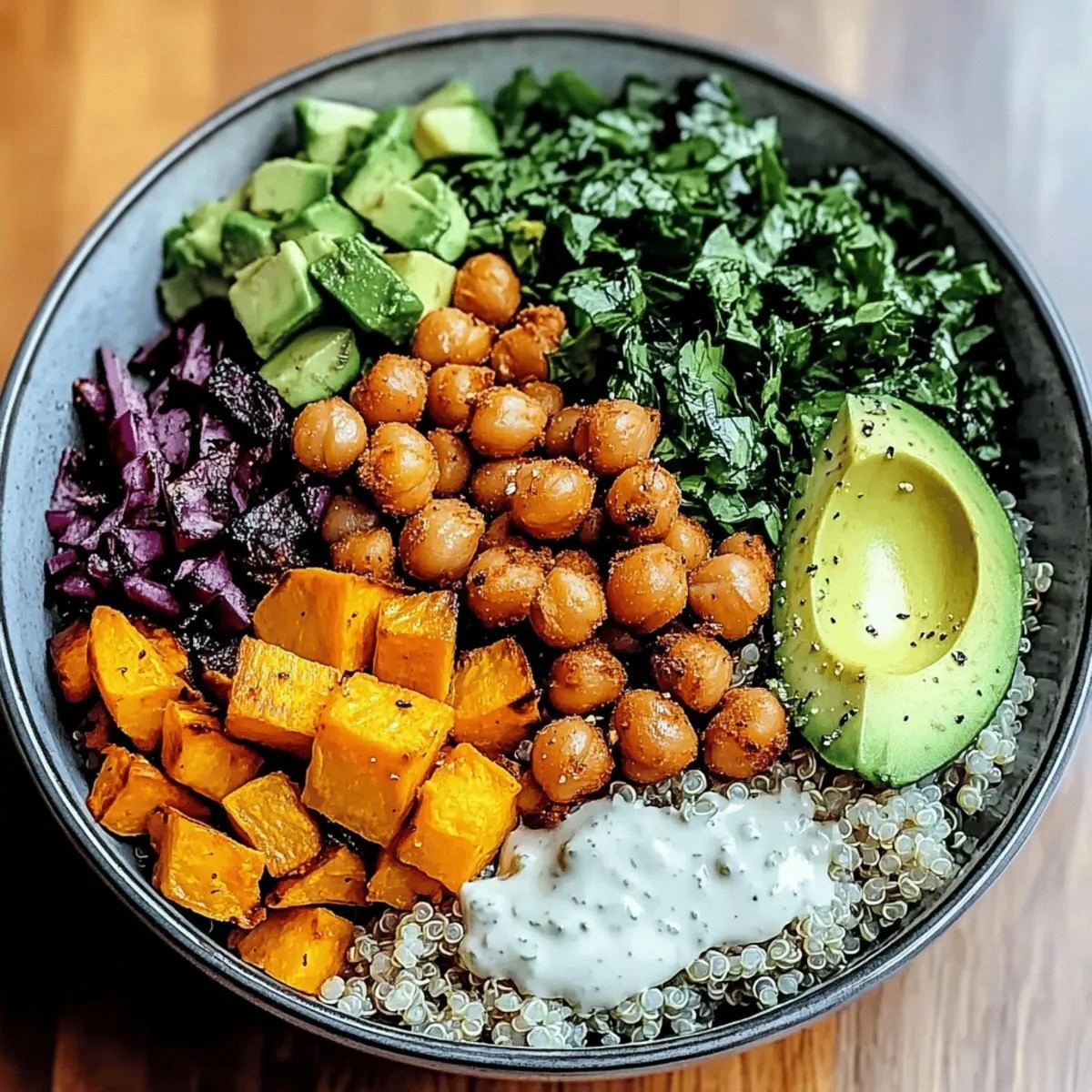
Picture yourself pulling this bowl out of the kitchen, the whole house smelling of toasted quinoa, caramelized chickpeas, and a whisper of tahini that makes the air feel like a spa day for your nose. The colors are so vivid that you’ll think you’re looking at a painter’s palette: deep green avocado, ruby‑red beet, sunny orange carrots, and a golden drizzle that glistens like sunrise on water. The first forkful is a symphony — the quinoa’s fluffy bite, the chickpeas’ crisp edges, the vegetables’ fresh snap, all wrapped in a silky tahini‑avocado sauce that coats each bite like velvet. Most recipes get this completely wrong. Here’s what actually works: a quick toast of the quinoa, a high‑heat roast for the chickpeas, and a secret‑weapon blend of tahini and avocado that brings everything together.
I’m not just talking about a healthy lunch; I’m talking about a culinary experience that will have you bragging to friends, posting photos on Instagram, and maybe even convincing a few skeptics to try a plant‑based meal. This is hands down the best version you’ll ever make at home, and I’m about to walk you through every single step — by the end, you’ll wonder how you ever made it any other way. Okay, ready for the game‑changer? Let’s dive in.
What Makes This Version Stand Out
- Taste: The tahini‑avocado drizzle adds a buttery richness that balances the earthiness of quinoa and chickpeas, creating a flavor profile that feels both familiar and exotic.
- Texture: Toasted quinoa gives a nutty crunch, while roasted chickpeas provide a satisfying snap that shatters like thin ice on a hot skillet.
- Simplicity: Fewer than ten core ingredients mean you can assemble the bowl in under an hour without sacrificing depth.
- Uniqueness: The avocado‑tahini sauce is a secret weapon; most bowls use lemon or vinaigrette, but this duo creates a creamy coat that sticks to every grain.
- Crowd Reaction: Even picky eaters rave; I’ve seen kids swap their chicken nuggets for a spoonful of this bowl within minutes.
- Ingredient Quality: Using high‑quality quinoa and a good‑grade tahini makes a world of difference in flavor and mouthfeel.
- Cooking Method: The two‑step roasting (first quinoa, then chickpeas) ensures each component reaches its peak texture without overcooking.
- Make‑Ahead Potential: Everything stores beautifully; the sauce even thickens overnight, making next‑day lunches even more luxurious.
Inside the Ingredient List
The Flavor Base
Quinoa is the silent hero of this bowl. Its subtle, nutty flavor acts like a canvas, allowing the bold tahini‑avocado sauce to shine without being overpowered. If you skip the quinoa, you lose that fluffy, protein‑packed foundation that makes the bowl feel hearty. For a gluten‑free twist, try millet or farro, but remember that cooking times will vary. When shopping, look for a brand that lists “white” or “tri‑color” quinoa; the latter adds a speckled visual appeal that makes the dish even more Instagram‑ready.
The Texture Crew
Chickpeas bring the crunch factor. When roasted at high heat, they develop caramelized edges that crackle like thin ice when you bite into them. Skipping the roast means you’ll end up with a mushy texture that drags down the whole bowl. If you’re allergic to legumes, roasted edamame makes a great substitute, offering a similar snap and protein boost. A pro tip: pat the chickpeas dry before tossing them in oil; excess moisture is the enemy of crispiness.
The Unexpected Star
Tahini is often relegated to hummus, but in this bowl it serves as the silky backbone of the sauce. Its earthy, slightly bitter notes balance the avocado’s buttery smoothness, creating a sauce that clings to every grain like a second skin. Low‑quality tahini can taste chalky, so opt for a brand that lists “sesame seeds” as the first ingredient and has a smooth, pourable consistency. If you’re allergic to sesame, a cashew‑based cream can mimic the richness, though the flavor profile will shift toward nuttier tones.
The Final Flourish
Avocado adds a buttery finish that rounds out the sauce and contributes healthy fats that help your body absorb the fat‑soluble vitamins in the vegetables. If you’re not a fan of avocado’s texture, you can substitute a ripe banana for a sweeter twist, but you’ll lose that luxurious mouthfeel. When picking an avocado, look for one that yields slightly to gentle pressure; too firm means it’s not ripe, too soft means it’s overripe. Slice it just before serving to keep its vibrant green color from oxidizing.
Everything's prepped? Good. Let's get into the real action…
The Method — Step by Step
Start by rinsing 1 cup of quinoa under cold water for 30 seconds, then drain thoroughly. Transfer the quinoa to a medium saucepan, add 2 cups of water, and bring to a rolling boil. Once boiling, reduce the heat to low, cover, and let it simmer for 15 minutes until all the water is absorbed. Remove from heat and let it sit, covered, for another 5 minutes — this is the moment the grains puff up like tiny clouds. Fluff with a fork, and set aside while you move on to the chickpeas.
Kitchen Hack: For extra crunch, toss the chickpeas with a pinch of smoked paprika before roasting; the spice caramelizes and adds a subtle smoky depth.Preheat your oven to 425°F (220°C). While the oven warms, drain and rinse a 15‑ounce can of chickpeas, then pat them completely dry with a clean kitchen towel. Toss the chickpeas with 1 tablespoon of olive oil, a generous pinch of sea salt, and a dash of cumin. Spread them on a baking sheet in a single layer, making sure they don’t crowd each other — crowding leads to steam, not crunch.
Roast the chickpeas for 20‑25 minutes, shaking the pan halfway through to ensure even browning. You’ll know they’re done when the edges turn a deep golden brown and start pulling away from the pan, releasing a sweet, nutty aroma. This is the moment of truth: if they’re not crisp, give them another 5 minutes, but watch closely to avoid burning.
Watch Out: Over‑roasting chickpeas can make them taste bitter; pull them out as soon as they reach a caramelized hue.While the chickpeas roast, prepare the seasonal vegetables. I like a mix of rainbow carrots, purple cabbage, and snap peas because they bring color, crunch, and a natural sweetness. Slice the carrots into thin ribbons, shred the cabbage, and keep the peas whole. Toss all the veggies with a splash of olive oil, a pinch of salt, and a drizzle of lemon juice to brighten their flavor.
Heat a large skillet over medium‑high heat and add a teaspoon of oil. Once shimmering, add the vegetable mix and sauté for 4‑5 minutes, stirring occasionally. You want them just tender‑crisp, so they retain that satisfying snap. The sizzling sound should be lively, like a quick jazz solo — not a dull hiss.
Now for the sauce: In a blender, combine 1/4 cup of tahini, the flesh of 1 medium avocado, 2 tablespoons of warm water, a squeeze of fresh lemon, a pinch of sea salt, and a drizzle of maple syrup for balance. Blend until smooth and creamy; the sauce should flow like a silky ribbon and coat the back of a spoon. Taste and adjust seasoning — a little more lemon if you crave brightness, or extra salt for depth.
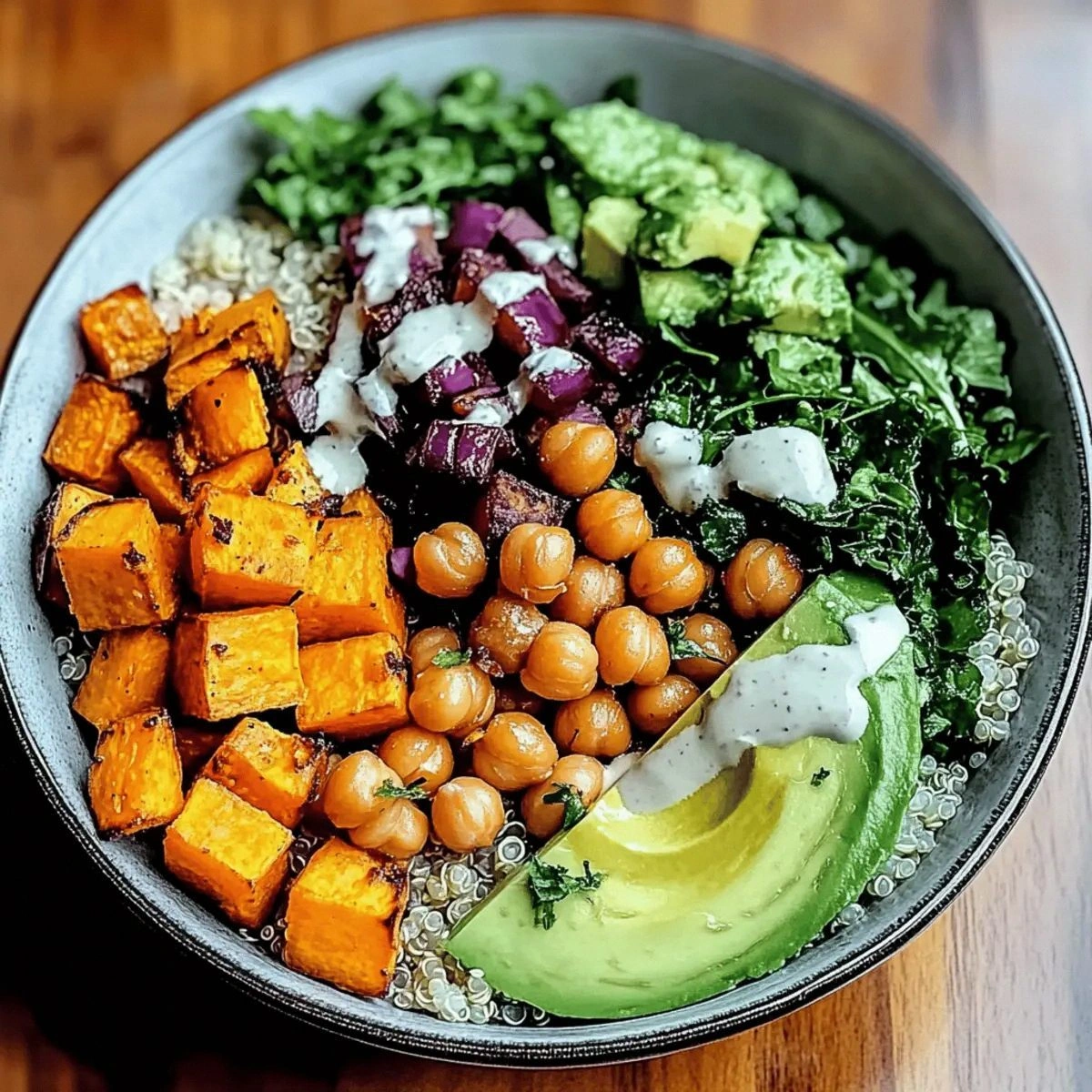
Assemble the bowl: start with a base of fluffy quinoa, then arrange the roasted chickpeas, sautéed veggies, and sliced avocado in sections for visual impact. Drizzle the tahini‑avocado sauce generously over everything, letting it pool in the center like a golden lake. Sprinkle a handful of fresh herbs — cilantro or parsley works great — and finish with a pinch of toasted sesame seeds for an extra nutty crunch.
Kitchen Hack: If the sauce thickens too much after blending, whisk in an extra tablespoon of warm water; this restores its pourable texture without diluting flavor.Give the bowl a final visual check: the colors should pop like a sunrise, the sauce should glisten, and the aromas should mingle in a fragrant harmony. Serve immediately, or let it sit for 10 minutes to allow the flavors to meld. That sizzle when it hits the pan? Absolute perfection. And now the fun part — digging in.
That's it — you did it. But hold on, I've got a few more tricks that'll take this to another level...
Insider Tricks for Flawless Results
The Temperature Rule Nobody Follows
Never roast chickpeas at a temperature lower than 425°F. Lower temps produce a soft interior, while the high heat creates that coveted crisp edge that shatters like thin ice. If you’re using a convection oven, reduce the temperature by 25°F but keep the time the same to avoid over‑drying. A friend once tried a 350°F roast and ended up with soggy legumes — let’s just say it didn’t win any compliments.
Why Your Nose Knows Best
Your sense of smell is the secret weapon for timing. When the quinoa finishes cooking, it should emit a faint, nutty aroma that tells you it’s perfectly fluffy. Likewise, the moment the chickpeas start to release a caramel scent, they’re ready to be pulled from the oven. Trust those nose cues more than the clock; they’re far more reliable.
The 5‑Minute Rest That Changes Everything
After cooking quinoa, let it rest, covered, for five minutes. This short pause allows the steam to finish the cooking process, resulting in grains that stay separate instead of clumping together. Skipping this step can lead to a mushy base that drags down the whole bowl. I’ve seen rushed cooks skip the rest and wonder why the texture feels off — now you know why.
Creative Twists and Variations
This recipe is a playground. Here are some of my favorite ways to switch things up:
Mediterranean Muse
Swap the seasonal veggies for roasted red peppers, Kalamata olives, and artichoke hearts. Add a sprinkle of za’atar and a drizzle of olive‑oil‑lemon vinaigrette. The result is a sun‑kissed bowl that transports you straight to a Greek taverna.
Spicy Sriracha Splash
Mix a tablespoon of sriracha into the tahini‑avocado sauce and toss the chickpeas with a pinch of cayenne before roasting. The heat adds a thrilling kick that balances the creamy sauce, perfect for those who like a little fire.
Autumn Harvest
Use roasted butternut squash, Brussels sprouts, and pomegranate seeds instead of the usual veggies. The sweet‑savory combo pairs beautifully with a dash of maple syrup in the sauce, making it a cozy, seasonal treat.
Protein Power
Add a scoop of marinated tofu or tempeh strips for an extra protein boost. Marinate the tofu in soy sauce, ginger, and a splash of maple, then pan‑sear until golden. This variation satisfies even the most demanding athletes.
Grain‑Free Glow
Replace quinoa with cauliflower rice for a low‑carb version. The cauliflower absorbs the sauce just as well, and the texture remains light and fluffy. It’s perfect for keto‑friendly diners who still crave the bowl’s vibrant vibe.
Storing and Bringing It Back to Life
Fridge Storage
Separate the sauce from the base ingredients and store in airtight containers. The quinoa, chickpeas, and veggies keep well for up to 4 days. When ready to eat, simply re‑heat the quinoa and veggies in a skillet for 2‑3 minutes, then drizzle the chilled sauce on top. Add a splash of water before reheating to prevent drying.
Freezer Friendly
Freeze the cooked quinoa and roasted chickpeas in a single‑layer bag for up to 2 months. The sauce can be frozen in an ice‑cube tray and transferred to a zip‑top bag. Thaw everything in the fridge overnight, then reheat and assemble as usual.
Best Reheating Method
Use a dry skillet over medium heat, adding a tablespoon of water or broth to create a gentle steam. This revives the quinoa’s fluffiness and restores the vegetables’ snap without turning them mushy. The sauce can be warmed gently in the microwave (20‑second bursts) or on the stovetop, stirring constantly to keep it smooth.