I still remember the first time I attempted a potato gratin. It was a rainy Sunday, the kind that makes you want to crawl under a blanket and never come out. I had promised my friends a "fancy" side dish for our potluck, but what emerged from my oven was a watery, curdled mess that tasted like disappointment with a hint of garlic. Fast forward through three more failed attempts, a minor kitchen fire (don't ask), and one very dramatic flinging of a dish towel, and I finally cracked the code. What you're about to make isn't just another potato gratin — it's the gratin that made my notoriously picky neighbor beg for the recipe, the one that disappeared before the main course even hit the table at Thanksgiving, the one that'll have you sneaking cold bites straight from the fridge at midnight.
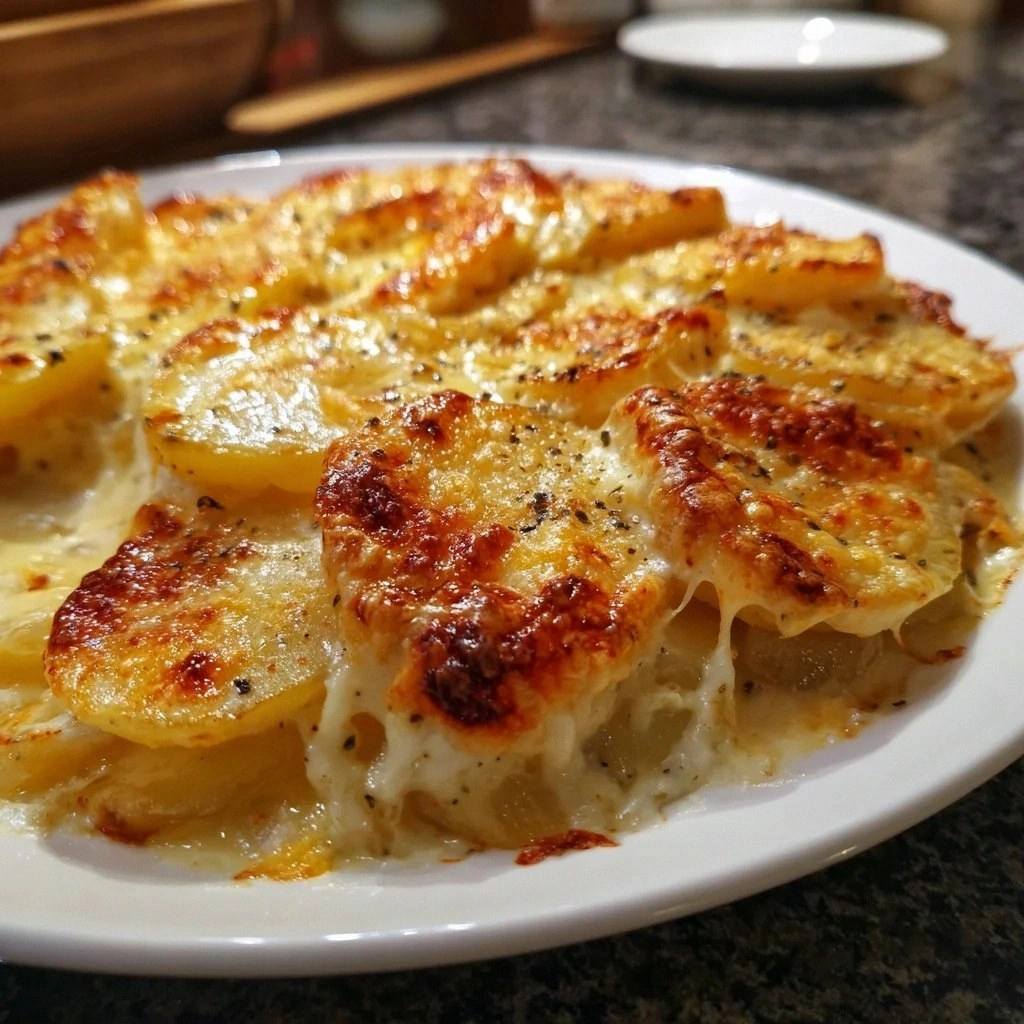
Picture this: paper-thin slices of buttery Yukon Gold potatoes swimming in a silky cream sauce that's been infused with just enough garlic to make your taste buds dance. The top layer transforms into a golden, crispy cheese crust that crackles like thin ice when you plunge your fork through it. That first bite? It's like wrapping yourself in the culinary equivalent of a cashmere sweater while sitting beside a fireplace. The edges get those lacy, caramelized cheese bits that chefs fight over in restaurant kitchens. The center stays creamy and luxurious, each potato slice maintaining its integrity while somehow melting on your tongue.
Here's the thing — most recipes get this completely wrong. They drown the potatoes in heavy cream, creating a greasy, separated mess. They skimp on the cheese, producing a bland, institutional-tasting casserole. They rush the process, ending up with crunchy, undercooked potatoes or a curdled sauce that looks like it lost a fight. But not this version. This is hands down the best version you'll ever make at home, and I'll stake my reputation as the person who once ate potato gratin for breakfast, lunch, and dinner for an entire week on it.
The secret lies in the ratio of cream to milk (it's not what you think), the temperature dance we do in the oven, and that magical moment when we add the cheese in stages rather than all at once. Stay with me here — this is worth it. Let me walk you through every single step — by the end, you'll wonder how you ever made it any other way.
What Makes This Version Stand Out
Buttery Potato Perfection: Yukon Golds are the unsung heroes here. They hold their shape like champions while releasing just enough starch to thicken the sauce naturally. Russets turn to mush, red potatoes stay too firm, but Yukons? They're the Goldilocks of the potato world.
The Garlic Revelation: We're not just throwing in minced garlic and calling it a day. We're infusing the cream with whole smashed cloves, then fishing them out, leaving behind this haunting whisper of garlic that makes people ask, "What's that amazing flavor I can't quite identify?"
Two-Cheese Strategy: Sharp cheddar for that nostalgic, melty comfort, and Parmesan for the umami bomb that creates the most incredible crust. Most recipes use just one cheese and miss out on this complexity.
The Temperature Trick: Starting covered at a lower temperature, then uncovering and cranking up the heat creates the creamiest interior and crispiest top. It's like getting two dishes in one.
Make-Ahead Magic: This gratin actually improves overnight. The flavors meld and deepen, making it the perfect dish for entertaining. Just reheat and serve — your guests will think you're a kitchen wizard.
No More Curdled Disasters: The milk-to-cream ratio prevents the proteins from seizing up, eliminating that grainy, broken texture that ruins so many gratins. Your sauce stays silky smooth from oven to table.
Edge Piece Paradise: By using a wider, shallower dish instead of a deep casserole, we maximize those coveted crispy edges. If you've ever fought siblings for corner brownies, you'll understand the genius here.
Inside the Ingredient List
The Flavor Base
Yukon Gold Potatoes aren't just a suggestion — they're the backbone of this entire operation. Their naturally buttery flavor means we can use less actual butter, and their medium starch content strikes the perfect balance between creamy and structured. When shopping, look for firm potatoes with smooth skin, avoiding any with green spots or sprouting eyes. Size matters too — medium potatoes slice more evenly than those giant baking ones that seem impressive but cook unevenly.
Heavy Cream and Whole Milk work together like a perfectly choreographed dance. The heavy cream provides that luxurious mouthfeel we crave in a gratin, while the milk prevents the sauce from becoming so rich it's cloying. Skimp on the milk and you'll create a gratin that sits in your stomach like a brick. Use all milk and you'll lose that restaurant-quality indulgence that makes this dish special.
The Texture Crew
Unsalted Butter lets us control the salt level precisely. Different brands of salted butter contain varying amounts of salt, which can throw off the entire balance of your dish. Plus, we use butter in two stages — for greasing the dish and for infusing with garlic — so unsalted gives us that flexibility. European-style butters with higher fat content will give you an even richer result if you're feeling fancy.
Garlic transforms this from plain scalloped potatoes into something that makes your kitchen smell like a French bistro. But here's the key: we're using whole cloves, not minced. Minced garlic can burn and turn bitter during the long cooking time, while whole cloves infuse gently, leaving behind their essence without any harsh bite. The garlic gets removed before baking, so even garlic-haters will love this.
The Unexpected Star
Ground Nutmeg might seem out of place, but just wait until you taste the difference. This isn't enough to make anyone say, "I taste nutmeg!" It's the secret weapon that adds warmth and depth, making people wonder why your gratin tastes more complex than theirs. A pinch is all you need — too much and you'll veer into dessert territory, but the right amount creates this haunting background note that keeps everyone coming back for more.
The Final Flourish
Shredded Cheddar Cheese forms the melty, gooey base of our cheese layer. Skip the pre-shredded stuff — it's coated with cellulose that prevents smooth melting and can give your sauce a gritty texture. Buy a block of good sharp cheddar and shred it yourself. Your arm might complain, but your taste buds will thank you. The sharper, the better here — mild cheddar gets lost among all the cream.
Grated Parmesan Cheese is your insurance policy for that golden, crispy top. It browns beautifully and adds a nutty, salty punch that complements the cheddar perfectly. Freshly grated makes a difference — the pre-grated stuff in the green can contains anti-caking agents that prevent it from melting into that gorgeous crust we're after.
Salt and Ground Black Pepper might seem basic, but they're the difference between a flat, bland gratin and one that makes people close their eyes in appreciation. Season aggressively — potatoes need more salt than you think. The pepper should be freshly ground; pre-ground pepper tastes dusty and one-dimensional. These simple seasonings wake up all the other flavors and make them sing in harmony.
Everything's prepped? Good. Let's get into the real action...
The Method — Step by Step
- Preheat your oven to 375°F (190°C) and position the rack in the center. This temperature might seem low, but we're playing the long game here. A lower temperature allows the potatoes to cook through evenly without the cream breaking or the top burning before the center is done. While the oven heats, butter a 2-quart baking dish generously — and I mean generously. Every exposed bit of dish will become a potential sticking point for your precious cheese crust.
- Peel and slice your Yukon Golds to exactly 1/8-inch thickness. This isn't the time for rustic, chunky cuts — uniform thickness ensures even cooking. If you don't have a mandoline, now's the time to invest in one. Hand-cutting leads to some slices being paper-thin while others are potato-chip thick, resulting in a gratin that's simultaneously mushy and crunchy. As you slice, drop the potatoes into a bowl of cold water to prevent browning and remove excess starch.
- In a saucepan, combine the heavy cream, whole milk, smashed garlic cloves, salt, pepper, and nutmeg. Bring this mixture to the barest simmer — you should see tiny bubbles forming around the edges, not a rolling boil. This gentle heat infuses the cream with garlic flavor without scalding the dairy. Let it simmer for exactly 5 minutes, then remove from heat and let steep for another 10. Your kitchen should smell like heaven right about now.
- While the cream infuses, grate your cheeses. Remember: no pre-shredded cheese allowed. For the cheddar, use the large holes of your box grater for maximum meltiness. For the Parmesan, the fine side creates that delicate, lacy texture we want on top. Mix about 1/4 cup of the cheddar with 2 tablespoons of Parmesan and set aside — this becomes our final layer for the ultimate cheese pull.
- Drain the potatoes thoroughly and pat them dry. Create your first layer by overlapping potato slices in tight rows, like shingles on a roof. This isn't just for aesthetics — the overlapping ensures every bite has the perfect potato-to-cream ratio. Sprinkle lightly with salt and pepper, then ladle about 1/3 cup of the infused cream over the layer. The cream should just barely cover the potatoes; too much and you'll end up with soup.
- Continue layering potatoes, seasoning, and cream until you've used all the potatoes, ending with a final drizzle of cream. Press down gently on the layers — this helps everything settle and prevents air pockets that can lead to uneven cooking. The cream should come about 3/4 of the way up the sides of your dish. If it's higher, you've gone overboard and need to remove some.
- Cover the dish tightly with aluminum foil, creating a seal that traps steam. This covered phase is crucial — it allows the potatoes to cook through completely while the cream reduces and concentrates. Slide the dish into your preheated oven and set a timer for 45 minutes. Resist the urge to peek; every time you lift the foil, you're releasing steam and adding cooking time.
- After 45 minutes, carefully remove the foil — watch out for that steam! The potatoes should be nearly tender when pierced with a knife, and the cream should have reduced significantly. Now comes the magic: sprinkle the reserved cheese mixture evenly over the top, then return the dish to the oven, uncovered, and crank the temperature up to 425°F (220°C).
- Bake for another 15-20 minutes until the top is bubbling and golden brown with darker, crispy spots. The edges should be caramelized and pulling away slightly from the sides of the dish. That sizzle when it hits the hot cream? Absolute perfection. Let it rest for 10 minutes before serving — this allows the sauce to thicken and prevents molten cheese burns that'll ruin your whole experience.
That's it — you did it. But hold on, I've got a few more tricks that'll take this to another level...
Insider Tricks for Flawless Results
The Temperature Rule Nobody Follows
Here's where most home cooks mess up: they serve the gratin straight from the oven. I get it — it's hard to resist that bubbling, golden top. But letting it rest for exactly 10 minutes transforms the texture from loose and soupy to perfectly sliceable. The starches in the potatoes continue to absorb liquid, and the cheese sets up just enough to hold its shape when you cut into it. A friend tried skipping this step once — let's just say it didn't end well. She ended up with a puddle of cream swimming around potato slices that slid apart like they were on a water slide.
Why Your Nose Knows Best
Don't rely solely on timers — your nose is an incredibly sophisticated cooking tool. When the gratin is nearly done, your kitchen will fill with the aroma of toasted cheese and garlic. It's a nutty, slightly sweet smell that signals the Maillard reaction is working its magic on the cheese proteins. If you smell something sharp or acrid, your cheese is burning and you need to pull it immediately. I once saved a dinner party by trusting my nose over my timer when the power flickered and reset my oven clock.
The 5-Minute Rest That Changes Everything
After removing from the oven, tent the gratin loosely with foil for exactly 5 minutes before that final 10-minute uncovered rest. This brief steaming helps hydrate any potatoes that might have dried out on top while keeping the cheese crust from becoming too hard. It's like a spa treatment for your gratin — the steam relaxes everything into perfect harmony. Skip this step and you'll have potatoes that are crispy on top but potentially dry underneath.
The Cheese Distribution Secret
Rather than mixing all the cheese into the cream, we layer it strategically. Some gets mixed into the sauce for flavor throughout, but saving that final handful for the top creates the crust of your dreams. The cheese on top melts first, then the oils separate and fry the cheese solids, creating that lacy, crispy texture. Mix it all in and you'll get a homogenous, boring top that never quite achieves gratin greatness.
Creative Twists and Variations
This recipe is a playground. Here are some of my favorite ways to switch things up:
The French Onion Remix
Caramelize two large onions until they're deep mahogany and jammy. Layer these between the potato slices and swap the cheddar for Gruyère. The sweetness of the onions plays beautifully against the nutty Gruyère, creating a gratin that tastes like the best parts of French onion soup. Add a splash of dry sherry to the cream for an extra layer of complexity.
The Loaded Baked Potato Version
Stir crispy bacon bits and chopped green onions into the cream sauce, and use sharp white cheddar instead of regular cheddar. Top the finished gratin with a dollop of sour cream and more green onions. It's like eating a loaded baked potato, but fancier and infinitely more scoopable. I dare you to taste this and not go back for seconds.
The Truffle Shuffle
Add a teaspoon of truffle oil to the cream and use a mix of fontina and Parmesan. Finish with fresh chives and a few drops more truffle oil. This version tastes like you paid forty dollars for it at a fancy steakhouse, but you made it in your pajamas. The truffle flavor perfumes the entire dish without overwhelming the humble potato.
The Mediterranean Escape
Layer in thinly sliced fennel bulb and use a mix of sharp provolone and Pecorino Romano. Add lemon zest and fresh thyme to the cream, and finish with crispy pancetta. The fennel adds a subtle anise note that makes the whole dish taste like it belongs on a sun-drenched terrace in Tuscany. Picture yourself pulling this out of the oven, the whole kitchen smelling incredible...
The Spice Route
Infuse the cream with a cinnamon stick and two cardamom pods along with the garlic. Use aged Gouda for its caramel notes and finish with toasted sliced almonds. This unexpected combination tastes like comfort food from a faraway land — familiar enough to be comforting, exotic enough to be exciting. The warm spices complement the cream without making it taste like dessert.
The Green Goddess
Blend a handful of fresh herbs — parsley, chives, tarragon — into the cream before heating. Use a mix of Havarti and Parmesan, and fold in blanched asparagus tips with the potatoes. This springtime version tastes like someone bottled up a garden and poured it over potatoes. It's so fresh and vibrant, you can almost convince yourself it's healthy.
Storing and Bringing It Back to Life
Fridge Storage
Let the gratin cool completely before covering tightly with plastic wrap or transferring to an airtight container. It'll keep for up to 4 days in the refrigerator, though honestly, mine has never lasted more than 2. Store it in the original baking dish covered with both plastic wrap and foil to prevent it from absorbing other flavors. I'll be honest — I ate half the batch before anyone else got to try it. The edges somehow get even better overnight, developing this deeper, more complex flavor that's impossible to resist.
Freezer Friendly
This gratin freezes beautifully, making it perfect for meal prep or gifting to future-you. Cut it into individual portions and wrap each piece in plastic wrap, then foil. Freeze for up to 2 months. Thaw overnight in the refrigerator before reheating. The texture changes slightly — the potatoes become a bit softer — but the flavor intensifies in the most wonderful way. Pro tip: freeze before adding the final cheese layer, then add fresh cheese when reheating for that just-baked experience.
Best Reheating Method
Forget the microwave — it'll turn your masterpiece into a rubbery disappointment. Instead, place portions in a baking dish with a splash of cream or milk, cover with foil, and reheat at 350°F (175°C) for about 15 minutes. The extra liquid steams back to life any dried-out bits and restores that creamy texture. For the crisp top, remove the foil for the last 5 minutes and broil briefly. If you've ever struggled with reheating gratins before, you're not alone — and I've got the fix.