Introduction
Picture this: a Sunday afternoon, the kitchen smells like burnt sugar, and you’re staring at a mound of overcooked sweet potatoes that look more like a sad, caramelized pile than a comfort dish. That was my culinary nightmare until a friend dared me to turn that disaster into a show‑stopping casserole. I grabbed a skillet, tossed in butter, and the aroma of vanilla and cinnamon began to paint the air. The moment the sweet potatoes hit the pan, I knew I was about to rewrite the rules of the humble side dish.
I was determined to make this casserole not just a side, but a star. The secret? A silky mash that feels like a cloud, a crunchy pecan topping that shatters like thin ice, and a touch of brown sugar that caramelizes to a golden caramel glaze. I’ll be honest — I ate half the batch before anyone else got to try it. The rest of the crowd was left begging for the recipe, and I could see the spark of triumph in my own eyes.
This version of sweet potato casserole is hands down the best you’ll ever make at home. It’s the kind of dish that turns a simple dinner into a family event, the kind that invites people to linger at the table, and the kind that has you looking forward to the next batch. The technique that sets it apart is a subtle method of folding the eggs into the mash, which creates a custard‑like consistency that holds together without becoming rubbery.
Most recipes get this completely wrong. Here’s what actually works: a careful balance of moisture, a precise bake time, and a topping that crisps just enough to maintain a chewy center. I dare you to taste this and not go back for seconds. The flavors mingle like a well‑orchestrated symphony, each note—sweet, buttery, nutty—playing in perfect harmony. Picture yourself pulling this out of the oven, the whole kitchen smelling incredible, and the first bite sending a wave of nostalgia across your palate.
Let me walk you through every single step — by the end, you’ll wonder how you ever made it any other way. This isn’t just a recipe; it’s a journey from kitchen chaos to culinary triumph. Grab your apron, and let’s dive into the heart of what makes this casserole unforgettable.
What Makes This Version Stand Out
- Flavor: The combination of vanilla, cinnamon, and brown sugar creates a layered sweetness that’s both comforting and sophisticated. The pecan topping adds a subtle nutty crunch that contrasts beautifully with the creamy filling.
- Texture: The mash is silky yet substantial, thanks to the careful folding of eggs and the use of whole milk. The topping turns to a crisp, caramelized crust that snaps with every bite.
- Ease: Every step is straightforward, with no hidden techniques or time‑consuming prep. You’ll find that the process is almost as enjoyable as the final result.
- Versatility: Whether you’re hosting a holiday dinner or craving a comforting side, this casserole adapts effortlessly. It can be served as a dessert, a side, or even a brunch favorite.
- Crowd‑Pleaser: The sweet, buttery profile appeals to all ages. Even the pickiest eaters will be drawn to the familiar flavors and comforting textures.
- Quality Ingredients: Using fresh, high‑quality sweet potatoes and real butter elevates the dish. The pecans add a gourmet touch that makes the casserole feel special.
- Make‑Ahead Friendly: Prepare the casserole a day early, refrigerate, and bake just before serving. The flavors meld beautifully, and the texture remains impeccable.
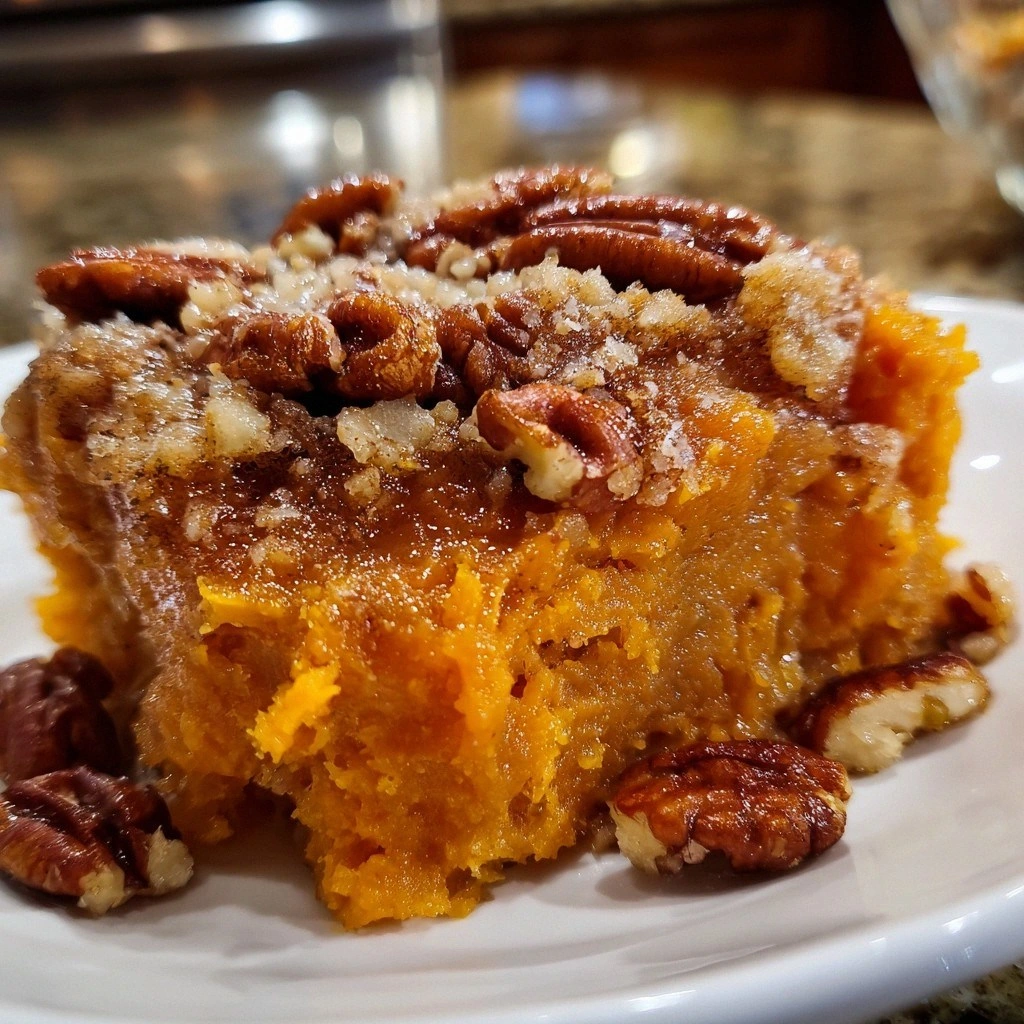
- Visual Appeal: The golden top and glossy interior make this dish Instagram‑ready. The contrast between the creamy base and the crunchy topping is a feast for the eyes.
Inside the Ingredient List
The Flavor Base
Sweet potatoes are the star ingredient, providing natural sweetness and a creamy texture when mashed. They bring a subtle earthiness that balances the richness of butter and the caramel notes of brown sugar. If you skip them, the casserole loses its signature body and becomes a thin, sauce‑like mixture. A good rule of thumb is to choose medium‑sized potatoes; they cook evenly and mash smoothly. For an extra burst of flavor, roast the sweet potatoes with a pinch of sea salt before mashing.
The Texture Crew
Butter adds richness and depth to both the sweet potato mixture and the topping. It coats the starches, preventing them from drying out during baking. Eggs act as a binder, giving the casserole a custard‑like structure that holds together without becoming rubbery. Milk contributes creaminess, and using whole milk or evaporated milk gives a richer taste. If you’re dairy‑free, try coconut milk for a subtle coconut undertone.
The Unexpected Star
Pecans are more than just a garnish; they add a crunchy texture and nutty flavor that contrasts beautifully with the creamy filling. The nuts also contribute a subtle buttery aroma that enhances the overall sensory experience. If you’re allergic to nuts, substitute with toasted pumpkin seeds or chopped dried cranberries for a sweet, crunchy twist.
The Final Flourish
Flour is used in the topping to create a crumbly, caramelized texture. It absorbs moisture and helps the sugar and butter bind together into a crisp crust. Granulated sugar balances the flavors in the topping, giving it a sweet, caramelized finish. Cinnamon adds warmth and spice, enhancing the overall flavor of the casserole. Salt is essential for balancing sweetness and enhancing the flavors of the other ingredients.
Everything's prepped? Good. Let's get into the real action...
The Method — Step by Step
- Preheat your oven to 350°F (175°C). While the oven warms, gather all your ingredients. This is the moment of truth: the aroma of vanilla and cinnamon begins to mingle in the air. Keep a close eye on the temperature; a steady heat ensures even baking.
- Peel and cube 4 cups of sweet potatoes, then steam them until tender, about 15 minutes. Once cooked, mash them with a potato masher until smooth, leaving a few small lumps for texture. The mash should feel silky, not dry.
- In a small saucepan, melt 1/4 cup of butter over medium heat. Add 1/4 cup of brown sugar, stirring until it dissolves into a fragrant glaze. The mixture should bubble slightly but not burn.
- Pour the butter‑sugar mixture into the mashed sweet potatoes. Stir until fully incorporated, allowing the flavors to marry. The mixture should feel glossy and cohesive.
- Add 1 cup of milk, 1 tsp vanilla extract, 2 eggs, 1 tsp cinnamon, and 1 tsp salt. Mix vigorously until the eggs are fully blended and the mixture is smooth. This step ensures a uniform texture throughout the casserole.
- Transfer the sweet potato mixture into a greased 9×13 inch baking dish. Spread it out evenly with a spatula. The surface should be smooth for an even bake.
- In a separate bowl, whisk 1 cup of flour with 1/4 cup of granulated sugar. Add 1/4 cup of melted butter and 1 cup of chopped pecans. Stir until the mixture forms a crumbly, sandy texture. This will become the golden topping.
- Sprinkle the crumbly topping evenly over the sweet potato layer. Press it gently to ensure it adheres to the surface. The topping should look like a soft, caramelized blanket.
- Bake for 30 minutes, or until the edges begin pulling away and the topping is golden brown. The center should still be slightly wobbling, indicating it's perfectly moist.
- Remove from the oven and let it rest for 10 minutes before serving. This resting period allows the casserole to set, making it easier to slice and enhancing the flavor profile.
That's it — you did it. But hold on, I've got a few more tricks that'll take this to another level...
Insider Tricks for Flawless Results
The Temperature Rule Nobody Follows
Many people bake sweet potato casseroles at 375°F, but that temperature can cause the topping to burn before the interior cooks. Using 350°F keeps the heat gentle, allowing the sweet potatoes to absorb the flavors fully. If you’re using a convection oven, lower the temperature by 25°F to avoid over‑browning.
Why Your Nose Knows Best
Before you open the oven door, pause and inhale. The smell of caramelized sugar and toasted pecans should be unmistakable. If you don’t smell that buttery sweetness, the casserole needs more time. Trust your nose; it’s a reliable indicator of doneness.
The 5‑Minute Rest That Changes Everything
Letting the casserole sit for five minutes after baking allows the custard‑like filling to set, preventing it from sliding off the plate. The rest also lets the flavors meld, creating a more cohesive taste experience. Skipping this step often results in a mushy texture.
Use a Silicone Baking Dish
A silicone dish distributes heat evenly, preventing hot spots that can scorch the edges. It also makes cleanup a breeze, which is always a plus when you’re craving dessert after a long day.
Pre‑Roast Pecans for Extra Crunch
Roasting pecans before adding them to the topping brings out their natural oils and enhances their nutty flavor. Toss them in a pinch of salt and a dash of brown sugar, then roast at 350°F for 8 minutes. The result is a crunchy, caramelized topping that stands out.
Creative Twists and Variations
This recipe is a playground. Here are some of my favorite ways to switch things up:
Maple‑Glazed Sweet Potato Casserole
Swap the brown sugar for pure maple syrup and add a splash of bourbon to the batter. The result is a deep, caramelized flavor profile that pairs wonderfully with a splash of orange zest. This version is perfect for a holiday gathering.
Chocolate‑Infused Sweet Potato Casserole
Fold in 2 tablespoons of cocoa powder and 1/4 cup of dark chocolate chips into the sweet potato mixture. The chocolate adds a bittersweet undertone that balances the natural sweetness. Top with a drizzle of melted chocolate for an extra indulgent touch.
Herb‑Infused Sweet Potato Casserole
Add chopped fresh rosemary and thyme to the batter. The herbs bring a savory depth that complements the sweetness. This variation works great as a side dish for roasted meats.
Vegan Sweet Potato Casserole
Replace butter with coconut oil, use plant‑based milk, and substitute eggs with flaxseed meal. The result is a creamy, dairy‑free casserole that still delivers on flavor. It’s a fantastic option for those with dietary restrictions.
Spicy Sweet Potato Casserole
Incorporate a pinch of cayenne pepper and a dash of smoked paprika into the batter. The heat adds a subtle kick that pairs well with creamy cheeses. Serve with a side of cool yogurt to balance the spice.
Storing and Bringing It Back to Life
Fridge Storage
Cool the casserole completely before covering it tightly with plastic wrap. Store in the refrigerator for up to 3 days. Reheat in the oven at 300°F for 15 minutes to restore the crisp topping.
Freezer Friendly
Wrap the casserole in parchment paper, then place it in a freezer bag. Freeze for up to 2 weeks. Thaw overnight in the refrigerator before reheating as described above.
Best Reheating Method
Reheat the casserole in a 350°F oven for 10 minutes. Add a splash of milk or water before reheating to keep the filling moist. The result is a warm, freshly baked experience.